Education
How to Get Started in Aesthetics as a Doctor
Dr James Olding, Planning Director of Interface Aesthetics and Oral and Maxillofacial Surgeon, explains how to get into aesthetics as a doctor working within the NHS.
Over the past ten years, aesthetic medicine has become one of the fastest-growing fields in UK clinical practice. Increasing numbers of doctors are exploring the field, attracted by its combination of facial anatomy, procedural skill, patient-centred consultation and the opportunity to build a career within private practice.
However, the pathway into aesthetic medicine is not always clear. Doctors frequently ask questions such as:
- When is the best time to start aesthetics training?
- Can aesthetics be combined with NHS training?
- Do you need a Level 7 qualification to practise?
- Is leaving the NHS necessary to build a career in aesthetics?
These are important questions, and the answers are rarely simple. The reality is that there are many ways to enter aesthetic medicine. Each path has different advantages and challenges. It depends on where you are in your medical career.
My perspective on this topic comes from working across several roles within the speciality. I currently serve as Planning Director of Interface Aesthetics, where I am involved in developing education programmes for doctors entering aesthetic medicine. I have also been fortunate to work internationally as a faculty member and key opinion leader within the field, contributing to education, research and professional development in aesthetic practice.
Alongside my aesthetic work, I continue to practise within the NHS as a post-FRCS senior registrar in Oral and Maxillofacial Surgery, following nearly two decades of training as a facial reconstructive surgeon. My career has included foundation training, core surgical training and specialist training within the NHS, alongside developing a parallel career in aesthetic medicine over the past several years.
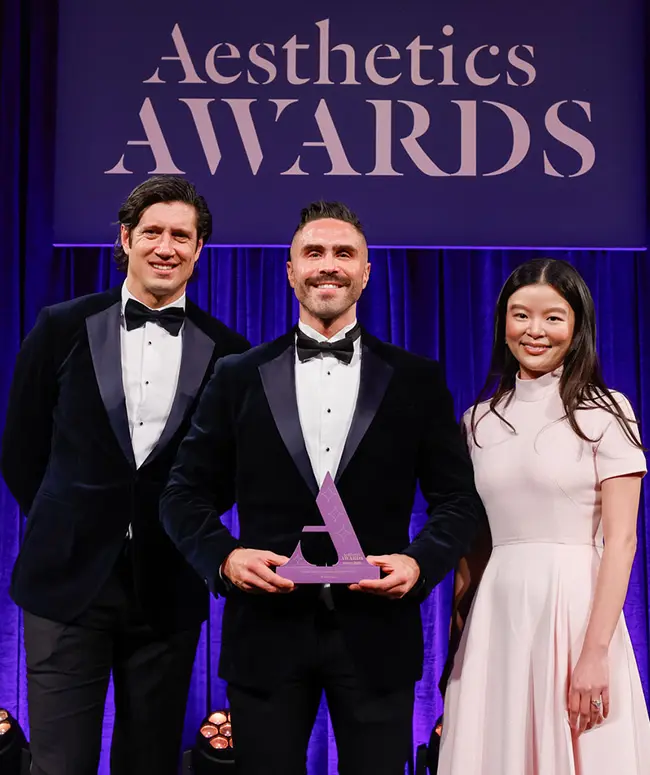
In 2025 I was honoured to receive Medical Aesthetic Practitioner of the Year at the Aesthetics Awards, an accolade that reflects not only clinical practice but also work in education, research and professional leadership within the field.
Importantly, I have personally navigated the journey of combining NHS training with aesthetic medicine, while also mentoring many doctors entering the speciality at different stages of their careers. Through these experiences I have seen that there is no single “correct” pathway into aesthetics, but there are certainly principles that can help doctors make informed decisions about their careers.
This article offers a clear overview of how doctors can start in aesthetic medicine. It covers the pros and cons at different stages of medical training.
Regulation and training in aesthetic medicine
One of the most important things for doctors considering aesthetic medicine to understand is that the field remains relatively lightly regulated compared with most areas of healthcare.
At present, there is no specific mandatory qualification required for doctors to perform aesthetic procedures, beyond the professional obligations set by the General Medical Council (GMC). These obligations require doctors to:
- work within their scope of competence
- undertake appropriate training
- maintain patient safety and professional standards.
However, the regulatory landscape is changing. Amendments to the Health and Care Act in 2022, alongside ongoing policy discussions across the UK, suggest that more formal regulation of non-surgical cosmetic procedures is likely to emerge in the near future. One of the most likely developments will be the introduction of defined educational standards for practitioners performing aesthetic treatments.
While the details are still evolving, it is widely anticipated that doctors may need to demonstrate competency through:
- formal credentialling frameworks, or
- recognised postgraduate qualifications such as a JCCP-approved Level 7 Diploma in Aesthetic Medicine.
For doctors entering the speciality today, this makes choosing the right training pathway particularly important. Good training is not simply about learning injection techniques. It should include:
- facial anatomy and aesthetic assessment
- consultation skills
- complications management
- clinical governance and ethics.
Investing in high-quality education early in your aesthetic career helps protect both your patients and your professional reputation.
The transition from NHS medicine to aesthetic practice
Another factor that many doctors underestimate when considering aesthetic medicine is the transition from public healthcare to private practice. Medical training in the UK is designed to produce excellent clinicians. However, it rarely prepares doctors for aspects of practice such as:
- running a private clinic
- building a patient base
- discussing treatment fees and pricing
- managing the commercial aspects of healthcare.
For doctors coming from the NHS, discussing treatment costs with patients can initially feel uncomfortable. In hospital medicine, clinicians rarely have to engage in conversations about price. These skills, however, are learnable. Over time, most practitioners develop confidence in navigating these aspects of private medicine.
Importantly, developing commercial awareness does not mean abandoning the core values of medicine. In fact, the most successful aesthetic practitioners tend to maintain a very clear principle: the clinician must always come before the entrepreneur.
Maintaining professionalism, integrity and patient safety remains the most sustainable foundation for a long-term career.
Educational events and professional meetings can also play an important role in helping doctors understand the realities of aesthetic practice. Conferences and industry events provide opportunities to learn from experienced clinicians and connect with peers who are navigating similar career decisions.
When to get into aesthetics as doctors?
Doctors can technically begin their journey into aesthetic medicine at several different stages of their careers. Having both entered the field myself and trained clinicians at each of these stages, I have seen that each pathway offers unique opportunities and challenges. Understanding these differences can help doctors plan their career progression more effectively.
Entering aesthetics immediately after graduation
The earliest point at which doctors may consider aesthetic medicine is immediately after medical school. In reality, this stage is usually not the ideal time to begin practising aesthetics. Most newly qualified doctors do not yet hold full GMC registration and, therefore, cannot practise independently.
More importantly, the early years of medical practice are critical for developing essential clinical skills. Foundation training provides invaluable experience in:
- patient assessment
- managing complications
- communication and clinical decision-making.
These skills provide the foundation for safe medical practice, and procedural training alone cannot easily replace them.
That said, doctors who are interested in aesthetic medicine can certainly begin exploring the field at this stage, either through starting the first stages of the JCCP-approved Level 7 Diploma or through a mentorship scheme such as the JTMS.
Attending respected events can also be a great idea at this stage. Educational exposure, mentorship programmes and academic involvement can provide useful insights without bypassing the fundamental training that early postgraduate years provide. For example, structured mentorship initiatives can allow medical students and early trainees to learn about aesthetic medicine in a responsible and educational environment before formally entering the field.
Entering aesthetics during early postgraduate training
A more common entry point into aesthetic medicine is early postgraduate training. This is usually at Foundation Year 2 or Senior House Officer level. At this stage, doctors have full registration and have begun to develop the clinical confidence that comes with practising medicine independently.
Advantages
Entering aesthetics early in a medical career offers several benefits.
Firstly, it allows doctors to build experience over a longer period of time. Developing expertise in aesthetic medicine takes years, and starting earlier can provide a significant advantage in the long term.
Secondly, many of the skills learned in aesthetic practice complement traditional medical training. Consultation skills, patient communication and aesthetic assessment are relevant across many specialities.
For doctors pursuing surgical specialities in particular, aesthetic medicine can deepen the understanding of facial anatomy, symmetry and procedural techniques.
Challenges
The primary challenge at this stage is time.
Medical training is already demanding, and undertaking aesthetic education requires additional study, clinical exposure and supervised practice. This often means dedicating evenings, weekends or other personal time to developing aesthetic skills. For some doctors this can involve short periods of intense work while balancing training commitments. However, these early investments can often pay dividends later in a career.
For these reasons, early postgraduate training represents one of the most effective times to begin building an aesthetic career, provided it is approached thoughtfully.
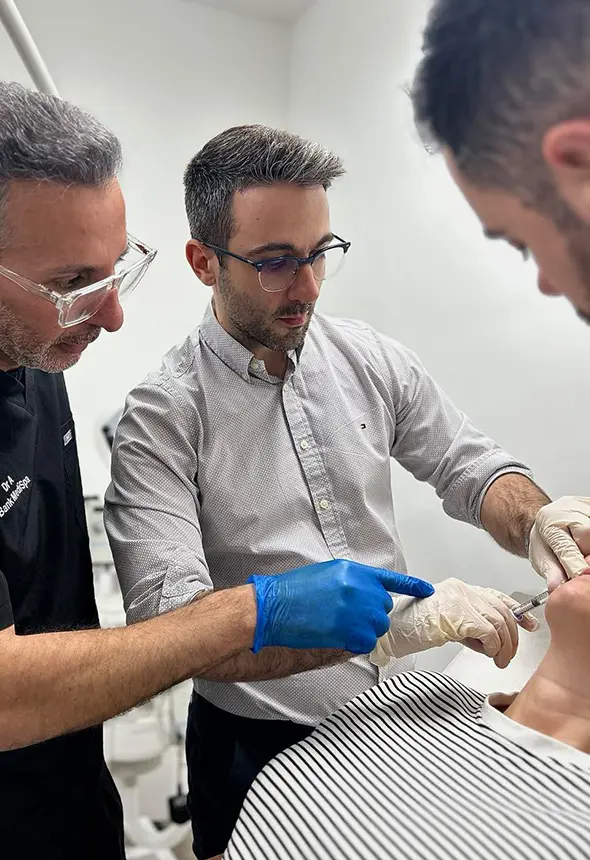
Combining aesthetics with specialist training
Another common stage for entering aesthetic medicine is during higher specialist training, when doctors are working as specialist registrars. Many clinicians discover aesthetic medicine while already progressing through careers in specialities such as surgery, dermatology, general practice or oral and maxillofacial surgery.
Advantages
At this stage, doctors bring a deeper level of clinical experience. They are often more confident in consultation, decision-making and patient management. These strengths translate well into aesthetic practice, where patient assessment and communication are central to achieving safe and effective outcomes.
Doctors entering aesthetics during specialist training are also usually still relatively early in their careers, which provides flexibility to develop skills in parallel with their NHS training.
Challenges
The biggest challenge, again, comes down to time management. Specialist training programmes are demanding, and balancing aesthetic practice alongside NHS commitments requires careful planning. Some doctors choose to undertake aesthetic training gradually over several years, while others may reduce clinical commitments slightly to accommodate additional education.
Another concern sometimes raised by trainees is whether pursuing aesthetics may be viewed negatively within certain specialities. Historically this may have been true in some areas of medicine. However, from my own experience in maxillofacial surgery training, attitudes have changed significantly.
The key is transparency and professionalism. Doctors should ensure that their aesthetic work is appropriately declared during appraisal or Annual Review of Competence Progression (ARCP) processes, and that their professional conduct remains consistent with the standards expected of all medical practitioners. This includes being mindful of advertising regulations, maintaining appropriate clinical governance and ensuring that training and qualifications meet recognised standards.
When approached responsibly, aesthetic medicine can complement specialist training rather than conflict with it.
In my own career, I found that combining reconstructive facial surgery with aesthetic medicine actually created opportunities. Having experience in both areas allowed me to approach clinical problems from a broader perspective. If a clinical case or research idea spanned both reconstructive and aesthetic domains, I was able to explore it in a more integrated way. This contributed to several research projects and publications. My work in aesthetic education also helped develop leadership, teaching and public speaking skills that have been valuable throughout my surgical career and during milestones such as the FRCS examinations.
For these reasons, combining aesthetics with specialist training can be highly beneficial when managed carefully.
Entering aesthetics after completing specialist training
The final common pathway into aesthetics occurs after completing specialist training, when doctors have achieved consultant status or completed GP training. Although historically less common, this route is becoming increasingly popular as clinicians seek greater flexibility and professional fulfilment.
Advantages
Doctors entering aesthetics at this stage bring extensive clinical experience. They are often highly skilled in patient consultation, risk assessment and clinical decision-making. For clinicians already involved in private practice within their specialities, aesthetic medicine can also complement existing services.
Challenges
However, doctors who have spent most of their careers within the NHS may initially find the commercial aspects of private medicine unfamiliar. Developing confidence in areas such as clinic management, pricing and marketing may require additional support and mentorship.
For this reason, choosing training environments that offer not only clinical education but also guidance in professional development can be particularly valuable.
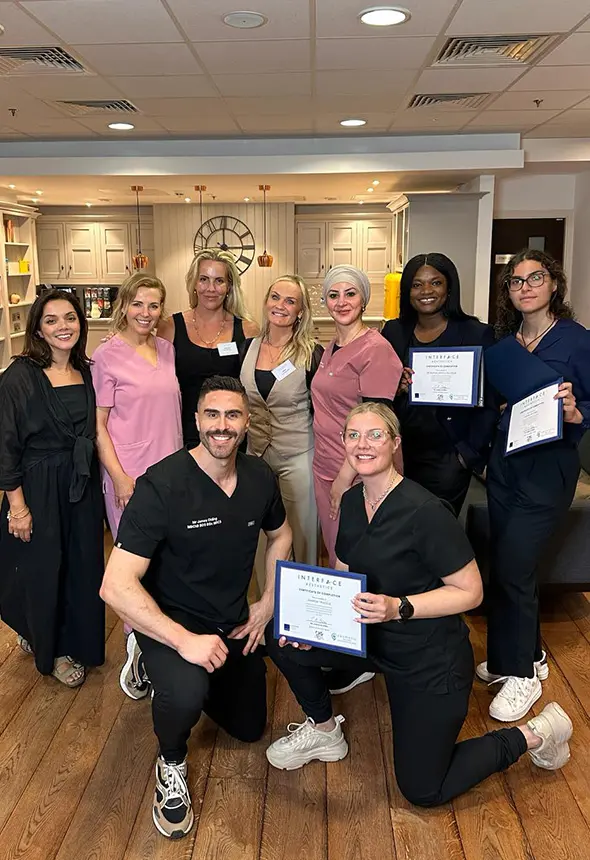
Finding the right career pathway
One of the most important messages for doctors considering aesthetic medicine is that there is no single correct pathway. Some clinicians continue working full-time in the NHS while building aesthetic practices alongside their hospital careers. Others choose to move gradually toward private aesthetic practice over time. Some eventually transition fully into aesthetic medicine.
Each of these paths can lead to rewarding careers.
The most important step is understanding the advantages and limitations of your current stage of training and making decisions that align with your personal and professional goals.
Final thoughts
Aesthetic medicine is an exciting and rapidly evolving field that offers doctors opportunities to combine clinical skill, artistry and patient care in unique ways. However, entering the speciality requires thoughtful planning, high-quality education and a commitment to maintaining the professional standards expected of all medical practitioners.
As regulation continues to develop within the UK, formal training pathways and recognised qualifications will likely become increasingly important.
For doctors considering their first steps into aesthetics, the most valuable investments are education, mentorship and careful career planning. With the right preparation, aesthetic medicine can be a rewarding and sustainable part of a doctor’s career. It can support NHS practice or become a main career focus.