Success stories
From NHS Nurse to Aesthetic Practitioner: How to Become an Aesthetic Nurse (Carla’s Journey)
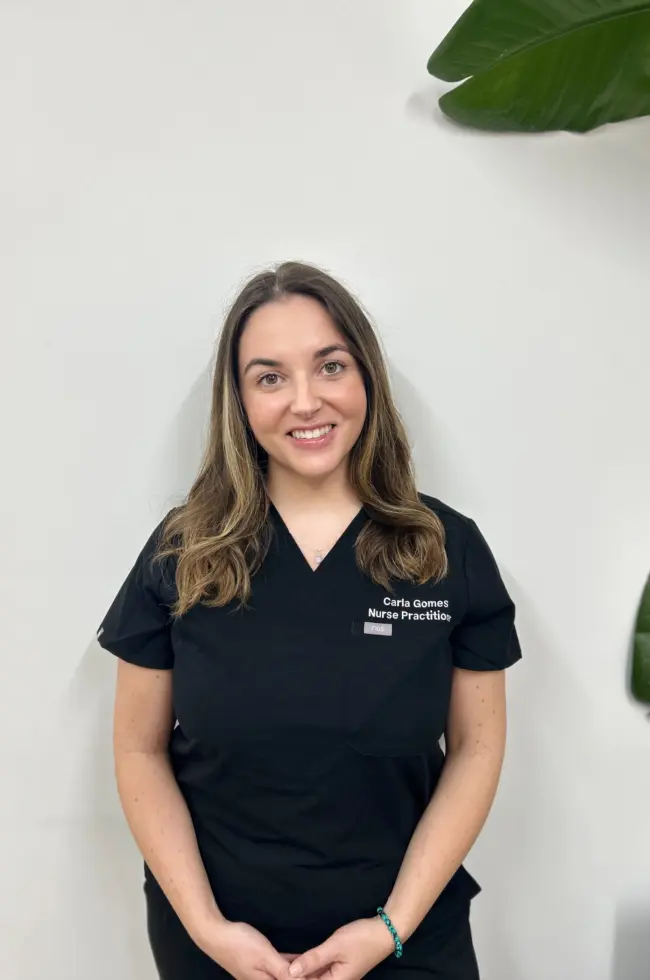
Carla Gomes, an Advanced Nurse Practitioner and independent prescriber, shares her journey from NHS Nurse to Aesthetic Practitioner — and what you need to know if you’re considering the same path.
The demand for aesthetic treatments in the UK is rapidly increasing — and with it, more nurses are exploring careers in aesthetic medicine as a way to achieve greater flexibility, autonomy, and financial growth.
But how do you actually transition from the NHS into aesthetic medicine? How do you become an aesthetic nurse in the UK?
In this blog, Carla, an Advanced Nurse Practitioner and independent prescriber, shares her journey from hospital nursing to running her own aesthetics clinic — and what you need to know if you’re considering the same path.
Life as an NHS Nurse: The Starting Point
Like many healthcare professionals, Carla began her career in the NHS, working in high-pressure hospital environments, including major trauma settings.
Her role included:
- Managing acute and complex medical cases
- Supporting patients through recovery and chronic conditions
- Working within fast-paced multidisciplinary teams
While the experience built strong clinical foundations, the long hours, emotional fatigue, and increasing system pressures led her to reassess her long-term career direction.
“I loved nursing, but I knew I needed a more sustainable way to practise long-term.”
Advancing Your Career: Why the V300 Matters in Aesthetics
To expand her scope, Carla completed a Master in Advanced Clinical Practice, followed by the V300 Independent Prescribing qualification. This was a pivotal step.
It allowed her to:
- Perform full patient assessments
- Diagnose and manage treatment plans independently
- Prescribe medications without relying on a third party
For nurses entering aesthetic medicine, having a V300 prescribing qualification in the UK is a major advantage — enabling safer practice, greater independence, and improved earning potential.
Discovering Aesthetic Medicine as a Nurse
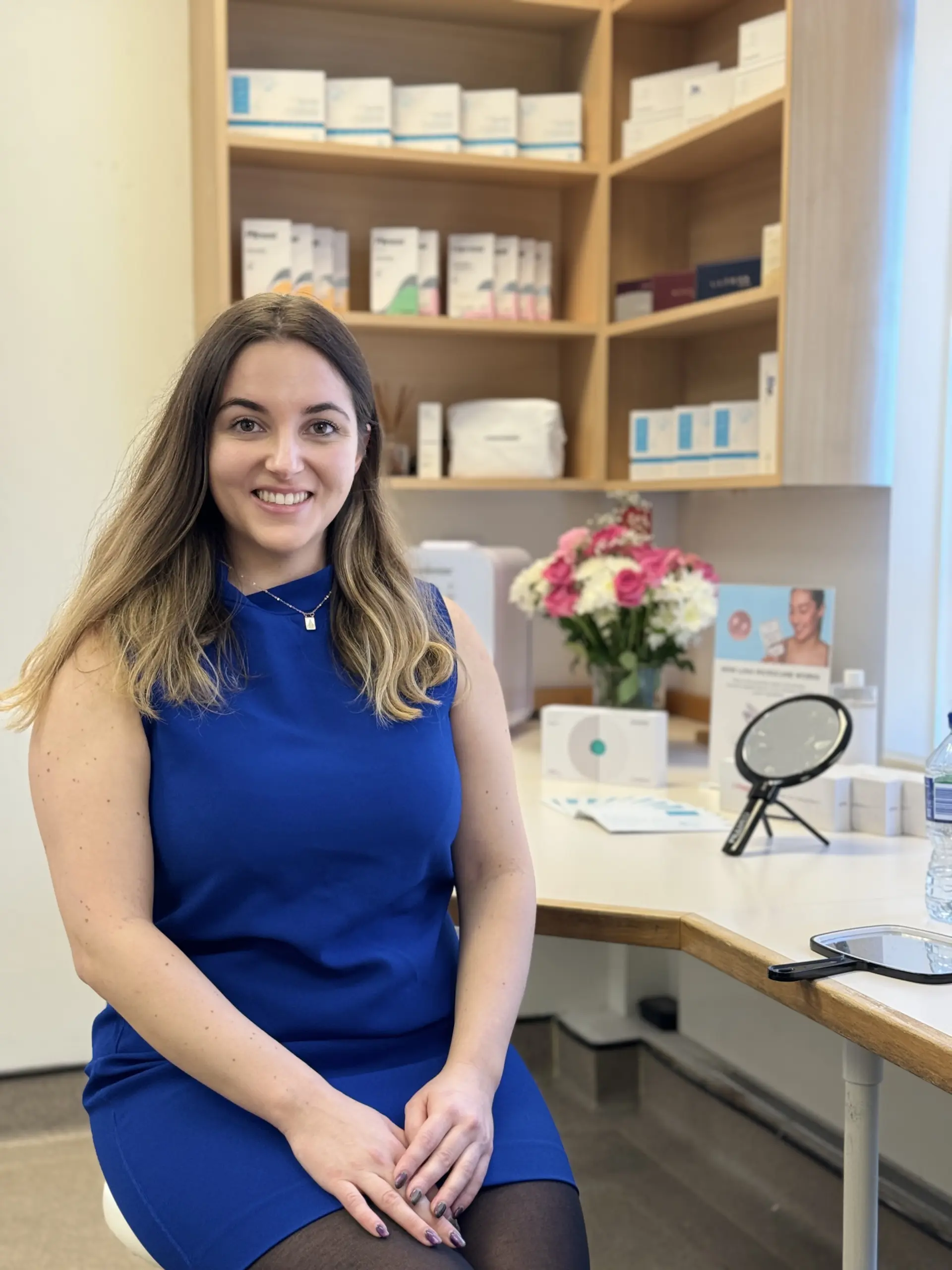
Carla’s introduction to aesthetic medicine came through a colleague — but it quickly became clear that this field offered something different.
She was drawn to:
- The combination of medicine and artistry
- The focus on natural, confidence-enhancing results
- A more positive, patient-led clinical environment
However, one key insight shaped her next decision: the quality of aesthetics training is critical.
Choosing the Right Aesthetic Classes for Nurses
When researching classes, Carla wasn’t just looking for basic injection training — she was looking for a long-term foundation in aesthetic medicine. After completing her Level 7, she joined Interface Aesthetics as a delegate to deepen her knowledge and practice.
Carla heard very good reviews about Interface Aesthetics and was impressed by the various rewards won by the Faculty of trainers over the years. Carla reached out and attended Advanced Masterclasses and bespoke one-to-one Aesthetics Training… Later on, she found out about the Epiphany Mentorship Program, which is a programme only for Interface Aesthetics’ Level 7 delegates. She decided to apply and wrote an article as part of her application. Her application stood out, as she demonstrated interest and commitment to education and to high standards.
She chose Interface Aesthetics due to its:
- Strong focus on patient safety and ethical practice
- Strong reputation
- Personal approach and supportive environment
- Hands-on training in small groups
- Access to experienced, expert trainers
- Ongoing mentorship and post-course support
“It wasn’t just about learning how to inject — it was about understanding responsibility, safety, and patient care at a completely different level.”
For nurses, this is essential. Aesthetic practice requires clinical judgement, patient selection, and complication management — not just technical skills.
Transitioning from NHS to Aesthetic Practice
After completing her training with Interface Aesthetics, and drawn by a strong commitment to excellence, Carla gradually transitioned into aesthetics while building confidence and experience.
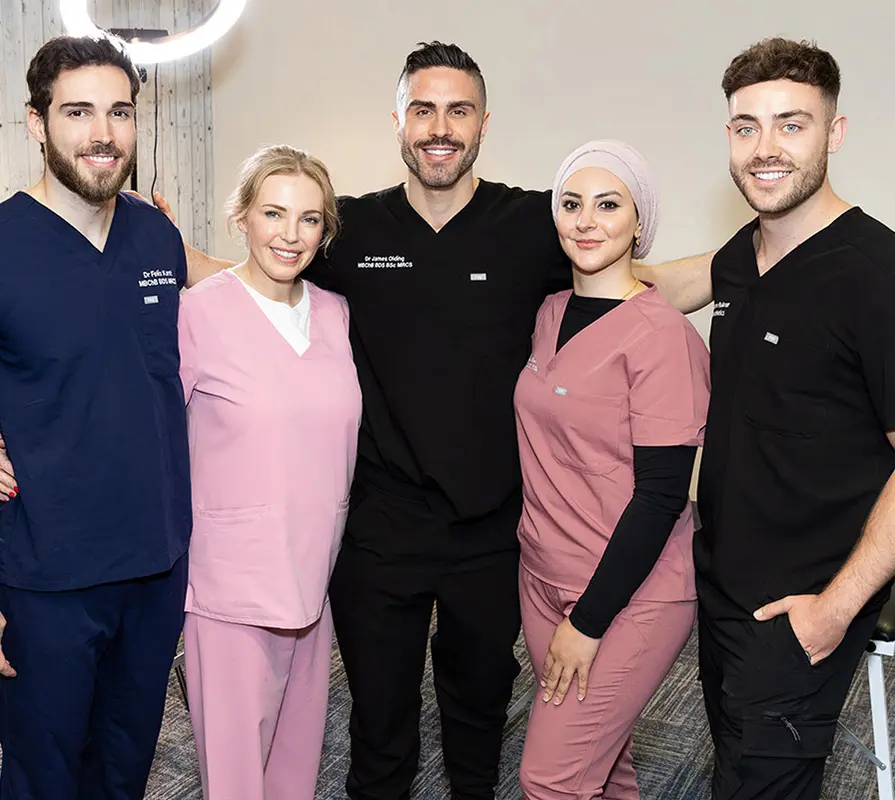
Carla has also become a trainer at Interface Aesthetics under the direct supervision of our director, Dr James Olding. Her commitment and her interest in the aesthetics industry landed her a role in the Level 7 programme within Interface Aesthetics.
Today, she runs her own clinic offering:
- Anti-wrinkle injections
- Dermal fillers
- Skin rejuvenation treatments
- Medical-grade skincare consultations
Despite the career change, her approach remains grounded in core nursing principles:
- Patient safety first
- Ethical, honest consultations
- Natural, evidence-based results
Continuous Professional Development in Aesthetics
Aesthetic medicine evolves quickly, making ongoing training essential. Carla continues to invest in her education by attending leading industry events such as:
- Clinical Cosmetic Regenerative Congress
- ACE Group World
- Interface Expo
She also uses social media to stay connected with other practitioners, learn new techniques, and refine her approach. Academic papers and research also help Carla upskill. Numerous reputable aesthetic sources, such as Aesthetics Journal, publish CPD articles every month to support the continuous learning of aesthetic practitioners like Carla.

How to Become an Aesthetic Nurse in the UK
If you’re wondering how to start a career in aesthetics as a nurse, here’s a clear step-by-step guide:
- Choose a Reputable Aesthetics Training Academy
- Plan Your Aesthetic Business
- Ensure Compliance and Safety
- Attend industry events
- Build Your Online Presence
- Grow Your Patient Base
1. Choose a Reputable Aesthetics Training Academy
Look for:
- Hands-on practical experience
- Small group teaching
- Ongoing mentorship
- Strong focus on safety
2. Plan Your Aesthetic Business
Decide:
- Which treatments you will offer
- Where you will practise (clinic, home, or rented space)
- Your pricing strategy
3. Ensure Compliance and Safety
You will need:
- Appropriate insurance for aesthetic practice
- Understanding of prescribing requirements
- Awareness of CQC regulations (where applicable)
4. Attend industry events
Conferences, exhibitions and webinars in the industry allow you to:
- Network with peers and experts
- Refine non-surgical skills
- Increase your CPD hours
- Improve your knowledge
Here are 10 reasons to attend aesthetic medicine events if you want to become an aesthetic nurse in the UK.
5. Build Your Online Presence
Create and grow your brand on:
- TikTok
Focus on education, results, and trust building.
6. Grow Your Patient Base
Start with:
- Friends and family
- Word-of-mouth referrals
- Local networking

V300 Prescribing Course 101
Do You Need a V300 Prescribing Course to Start Aesthetics in the UK?
The answer: you don’t need to join a V300 prescribing course to start — but it is highly recommended. This is one of the most searched questions by nurses who want to start a career in aesthetic medicine.
Starting Without a V300
You can begin by working with a prescribing clinician, who will assess patients and prescribe treatments such as anti-wrinkle injections.
Benefits of Having a V300 Qualification
Completing a V300 prescribing course allows you to:
- Prescribe independently
- Manage patients from consultation to treatment
- Reduce reliance on external prescribers
- Increase your income potential
- Build a fully independent clinic
Guidance from Interface Aesthetics
- Start with high-quality training, such as the JCCP-accredited Level 7 Diploma in Aesthetics
- Build your confidence and experience
- Progress to your V300 as your career develops
Why More UK Nurses Are Moving into Aesthetics
Aesthetic medicine is becoming an increasingly popular career choice for nurses due to:
- Improved work-life balance
- Higher earning potential
- Greater clinical autonomy
- A more positive patient environment
It offers the opportunity to continue practising medicine while helping patients feel more confident in themselves.
Final Thoughts: A Rewarding Career Shift for Nurses
Carla’s journey shows that transitioning from the NHS into aesthetics is not only possible — but can be highly rewarding when done correctly. Aesthetic medicine is not about changing appearances; it’s about enhancing confidence safely, ethically, and responsibly.
If, like Carla, you want to become an aesthetic nurse and open your own practice, feel free to check out our aesthetic classes for nurses below.
Course Recommendation
Our Courses
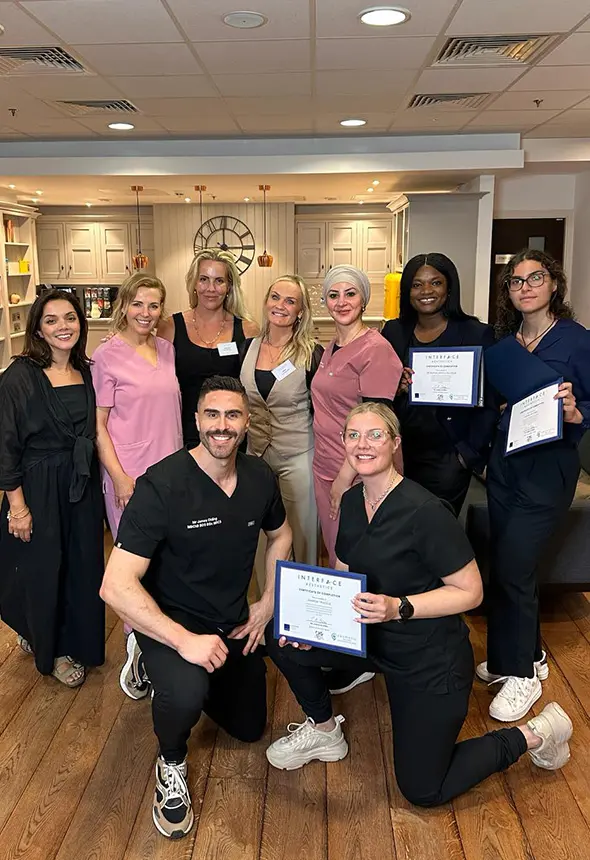
Our aesthetic courses for nurses, available in London and Manchester.