

Aesthetics training for dentists
Your expertise in facial anatomy, injection technique, and patient management gives you an outstanding foundation for aesthetic medicine. Interface Aesthetics offers a JCCP-approved pathway that takes your existing clinical skills and builds on them — while helping you meet the regulatory standards your GDC registration demands.
Who We Train
Which dental professionals can train with us?

Sign Up To Our Industry Insights.
Upon completing the form below a PDF will be sent to you via email.
Your Training Pathway
Two routes into aesthetic medicine

Level 7 PG Diploma
The gold standard — and for dentists, the most credible way to demonstrate your competency in aesthetics & build a robust skill set in injectables practice.
Explore the Level 7 Diploma in Injectables and view our London and Manchester training centres.
Step 1
Online theory
E-Interface platform — 100+ hours of clinical video, evidence-based protocols, and expert-led modules.
Step 2
Hands-on training days
Supervised practical sessions with live model patients in London and Manchester.
Step 3
Assessments & portfolio
Formal assessments and a 40-patient portfolio built under expert supervision.
Step 4
Mentorship days
Dedicated mentorship sessions with senior faculty throughout the programme.
Step 5
Masterclasses
Advanced masterclasses included depending on package chosen.
Introductory courses
Flexible, individually selected courses for dentists adding aesthetic skills or exploring specific treatment areas.
Explore the Foundation Botox and Fillers course.
Option
Foundation courseOne-day hands-on course covering botulinum toxin and dermal fillers with live model patients.
Option
Skin & biostimulatorsFocused training in skin boosters, polynucleotides, and advanced biostimulator techniques.
Option
Masterclass coursesSpecialist one-day courses in lips, periorbital, lower face, NSR, and more.
Option
Complications managementOnline CPD course covering toxin and filler complications — available as a standalone.
**Note
Courses selected individually. No fixed programme structure or formal assessment pathway.
Level 7 Support
What Level 7 delegates receive
 Dedicated WhatsApp group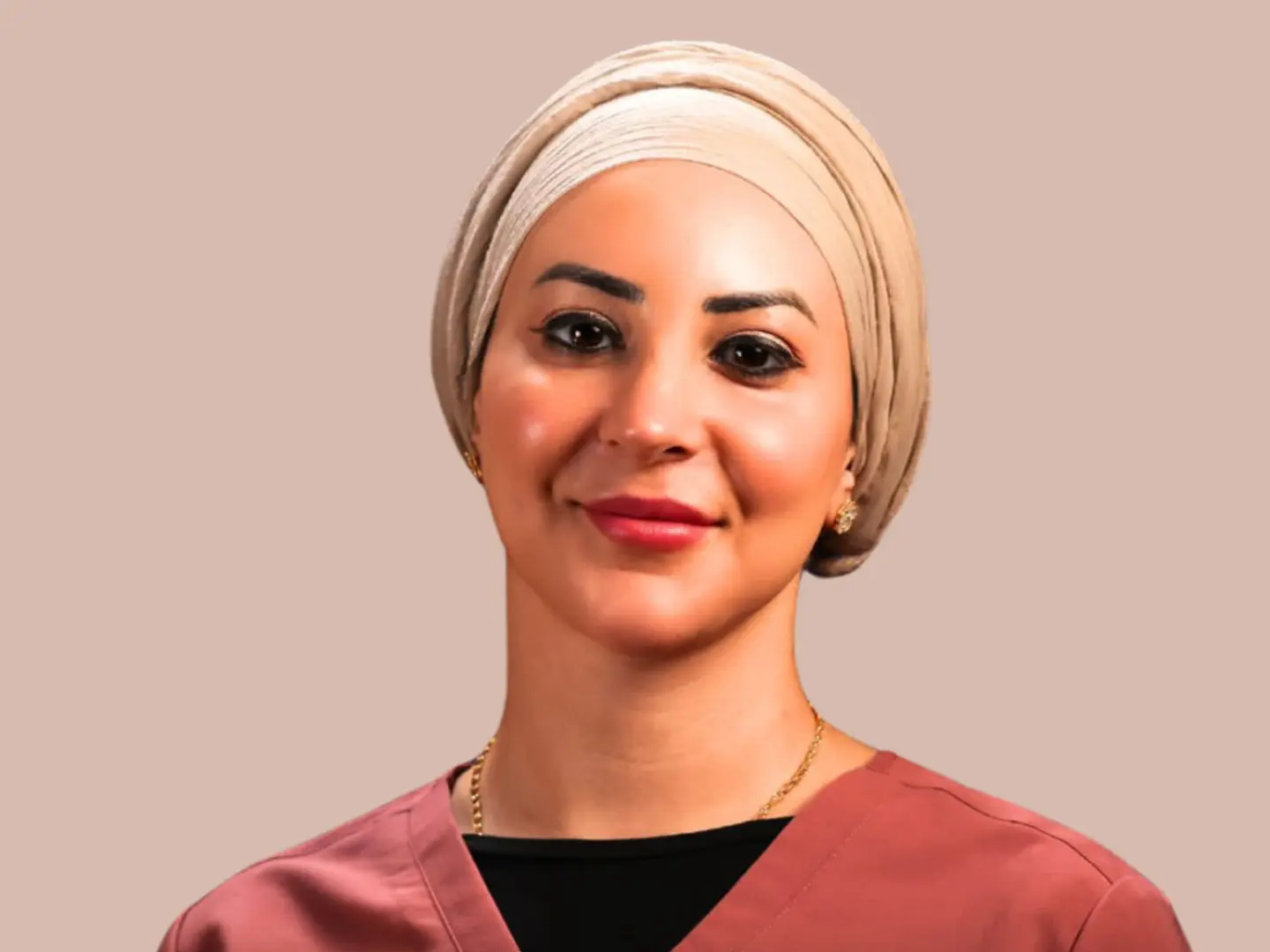
Trainer perspective
Meet your trainer
As a GDC-registered dentist with over fourteen years in aesthetics, I’ve built a portfolio career across both dentistry and aesthetic medicine — and each has made me better at the other. My dental training gave me a foundation in anatomy and precision that prepared me well for this field, while training the next generation of practitioners has sharpened my own practice in turn. To any dentist considering this path, my advice is simple: choose a route that gives you real structure and a robust framework. As the GDC’s expectations continue to evolve, that grounding will only become more important.
Prescribing
Prescribing and GDC scope of practice
As a GDC-registered dentist, you already hold prescribing rights. However, aesthetic medicine sits outside the core scope of dental practice — which means demonstrating that you have gained the appropriate skills and knowledge to practise in this area is increasingly important from a regulatory standpoint.
Completing a regulated qualification such as the VTCT Level 7 Diploma is widely regarded as the most credible way to evidence that competency to the GDC. As regulatory expectations in aesthetics continue to develop, holding a postgraduate regulated qualification puts you in the strongest possible position — both clinically and professionally.
Interface Aesthetics recommends that all dentist delegates pursue the Level 7 as their primary training pathway. We are happy to discuss what this means for your specific circumstances — speak to our team before booking.


Frequently asked questions
About Eligibility
All GDC-registered dentists are eligible — general practitioners, specialists, and dentists at any stage of their career. There are no restrictions based on your specialty or seniority.
About the Level 7 and the GDC
Aesthetic medicine sits outside the core scope of dental practice. A regulated postgraduate qualification such as the VTCT Level 7 is the most credible way to demonstrate to the GDC that you have gained the skills and knowledge required to practise safely in this area. As regulatory expectations continue to evolve, the Level 7 puts you in the strongest possible professional position.
As a GDC-registered dentist you hold prescribing rights. However, because aesthetic medicine sits outside the core scope of dental practice, we strongly recommend completing a regulated qualification and confirming your position with your indemnifier before moving into independent aesthetic practice.
Delegates have up to 36 months to complete the programme. The majority complete within 18 months, with the flexibility to manage training alongside an existing dental practice.
Yes — several of our lead trainers, including Mr James Olding and Mr Felix Karst, hold dual dental and medical qualifications by virtue of their roles in NHS Maxillofacial Surgery. Other lead clinicians, such as Dr Yousrah Ahmed and Dr Raquel Amado, are dentists who have successfully transitioned into aesthetics. You will be trained by people who have navigated the same regulatory landscape and understand the dentist pathway intimately.
About support
Level 7 delegates receive a dedicated WhatsApp group, personal coordinator, clinical supervision between training days, a complications management course, webinars, clinical discussions, business development support, and full access to E-Interface — our online library of 100+ hours of clinical content.
Ready to translate your dental skills into aesthetic medicine?
Speak to our team — we will recommend the right pathway for your background and regulatory position.