Events
Three debates to watch at Interface Expo 2026
At 15:20 on Saturday 21 November 2026, Interface Expo turns three of aesthetic medicine’s most contested questions into live debates. Who should correct a complication caused by someone else’s treatment? Who belongs in the training room? And how much of regenerative medicine is backed by hard evidence? Each debate puts speakers with different perspectives on the same stage, in front of practitioners who face these questions in clinic. Here’s what’s being debated, who’s speaking and what to think about before you go.
Why debate at a conference?
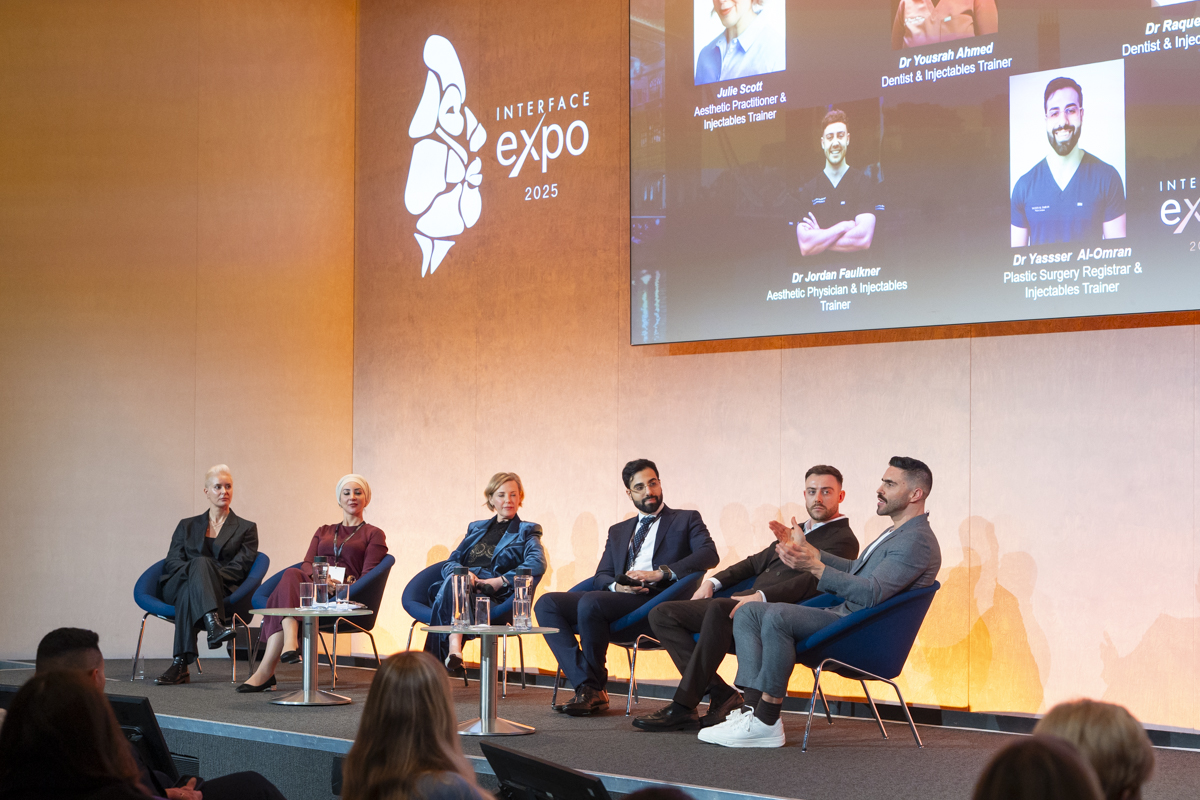
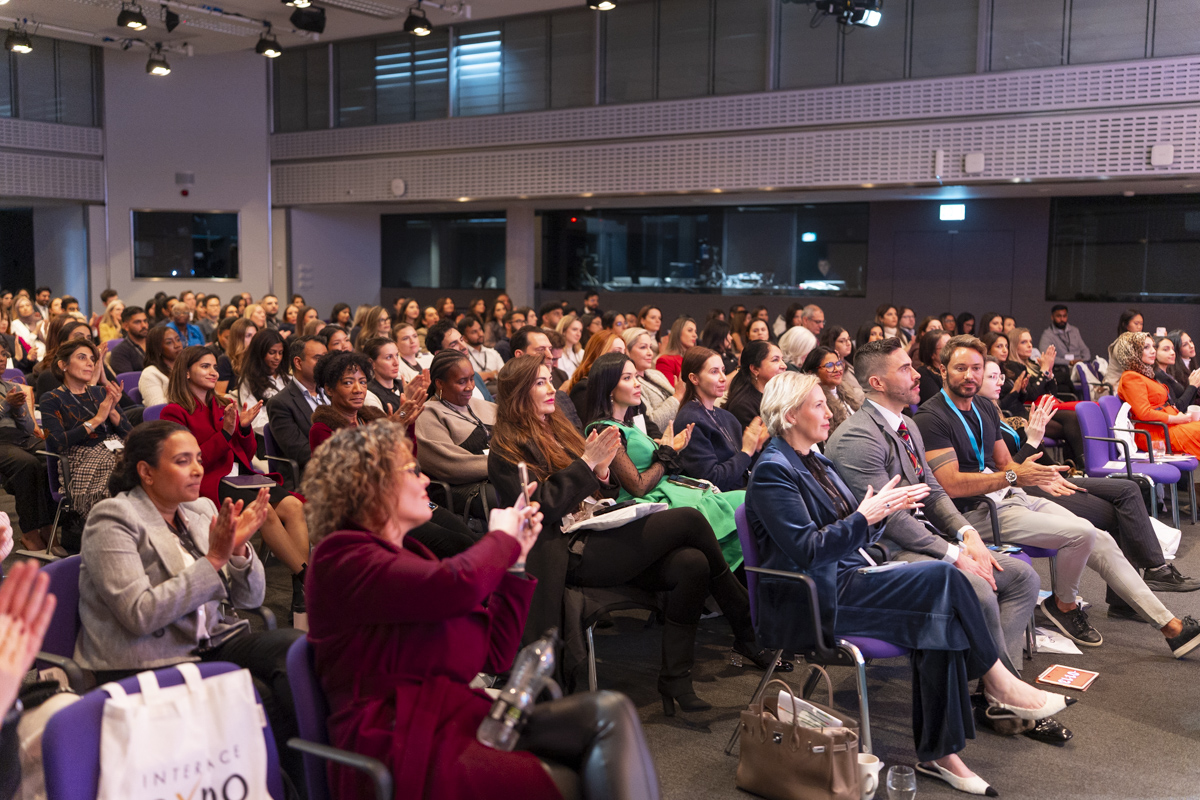
The most useful conference sessions don’t always hand you an answer. They give you room to question your own approach, hear how another discipline reasons and test the evidence alongside colleagues. Interface Expo has built debate into its programme: the 2025 event featured six on-stage debates.
This year, three debates run back to back in the afternoon session The Live Debate: Controversies in Aesthetic Medicine, from 15:20 to 16:15.
Debate 1: Not My Work, Not My Problem? The Ethics of Correcting Complications
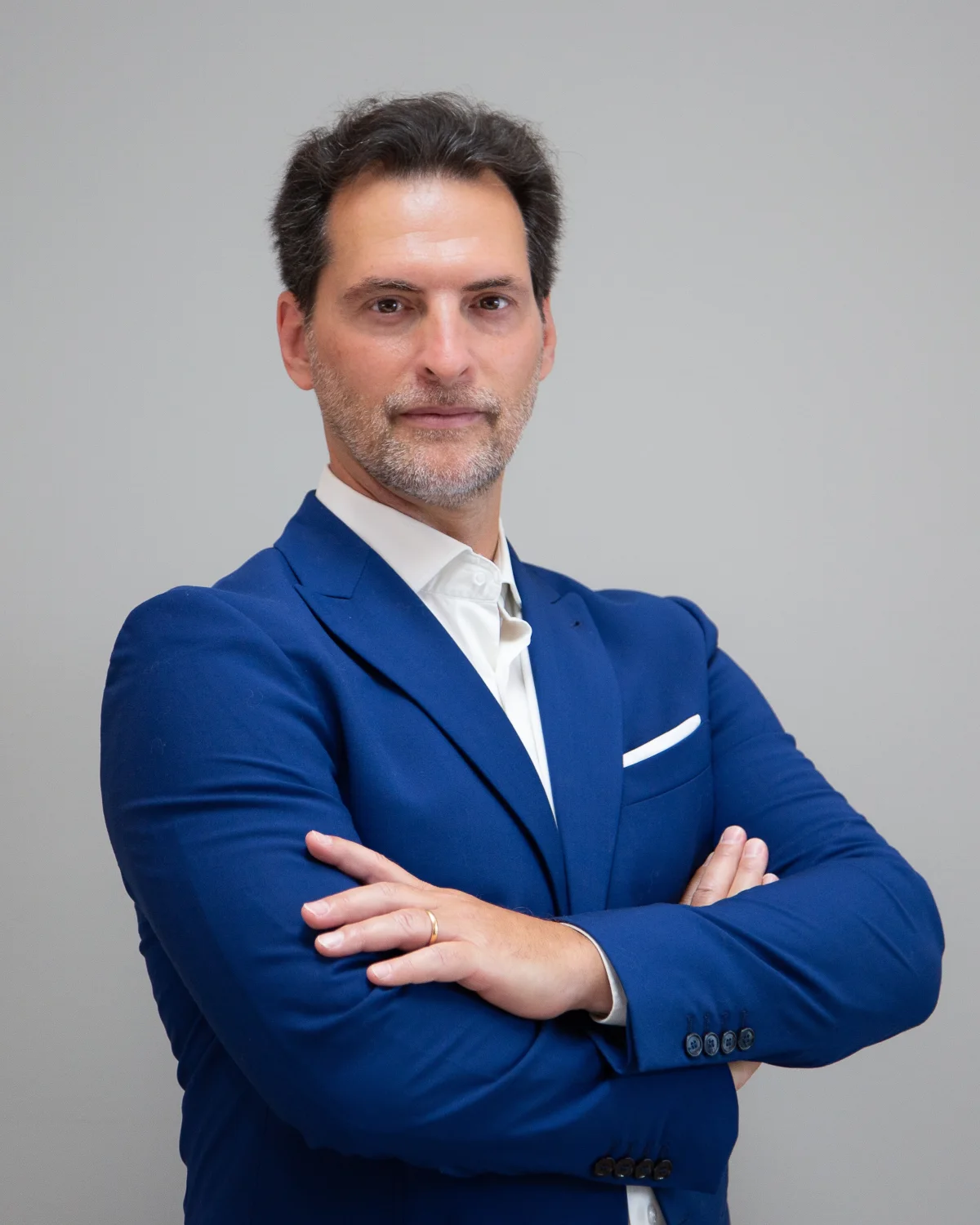
On stage: Dr Nicola Kefalas, a plastic, reconstructive and aesthetic surgeon based in Turin, and Dr Sophie Shotter, President of the British College of Aesthetic Medicine (BCAM).
Sooner or later, most practitioners are asked to see a patient whose complication followed treatment elsewhere. Some complications need prompt attention, and the patient in front of you may not know where else to turn. But agreeing to help means taking on responsibility for a problem you didn’t cause, and that raises questions most practitioners have to answer for themselves.
What to listen for:
- When the patient’s safety and the urgency of the problem should outweigh every other consideration.
- How to assess, document and obtain consent when you’re treating a problem you didn’t cause, including recording the patient’s condition before you start.
- Whether, and how, to involve the practitioner who carried out the original treatment.
- Whether your own competence and indemnity cover extend to corrective treatment.
- How fees for corrective treatment affect the patient’s choices.
Debate 2: Training the Next Generation: Who Belongs in the Room?
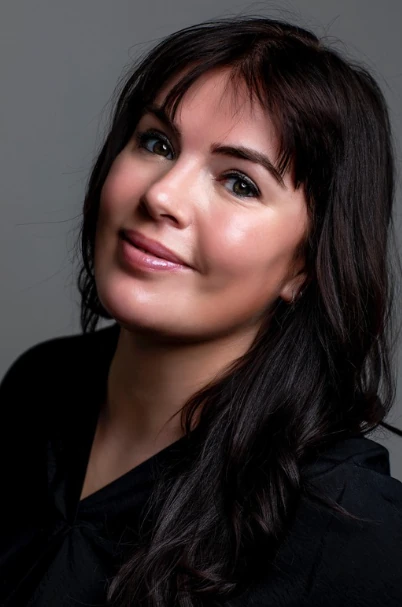
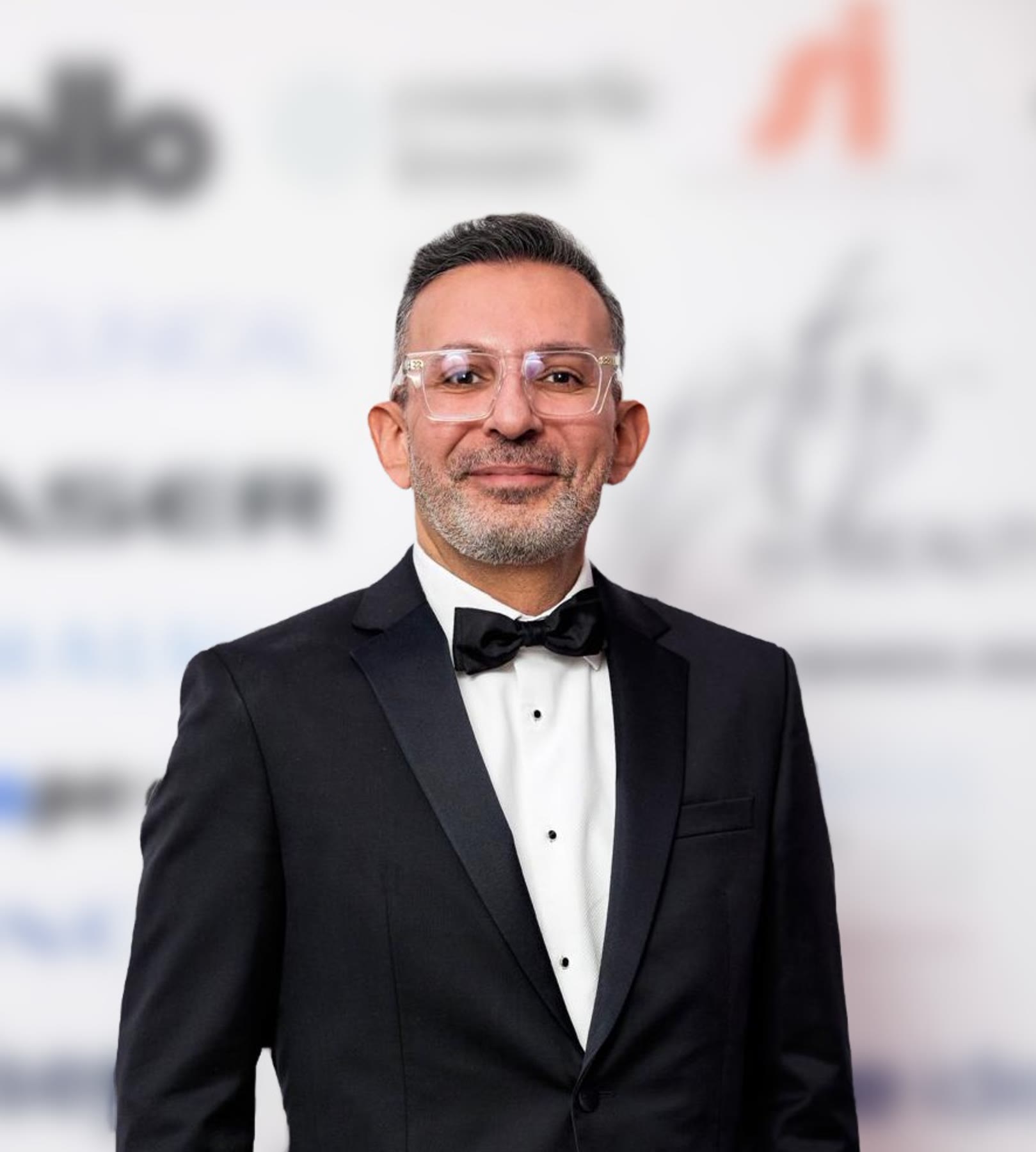
On stage: Dr Priya Verma, an aesthetic doctor, GP and founder of ART Clinic, and Dr Ahmed El Houssieny, a Trustee of BCAM and founder of Bank Medispa.
Who should be trained to inject, and at what stage of their career? The answer shapes course entry requirements, how much supervised practice new practitioners receive and how the profession is seen by patients and regulators.
The question is a live one. In England, no licensing scheme for non-surgical cosmetic procedures is yet in force. In August 2025, the government said it would restrict the highest-risk procedures to suitably qualified regulated healthcare professionals working for providers registered with the Care Quality Commission (CQC), and develop local authority licensing for lower-risk procedures. The training standards that a future licence will require have not yet been set.
What to listen for:
- Whether training should be limited to particular professions, and on what grounds.
- How prescribing status should shape both training and practice.
- What a new practitioner needs before treating live patients: theory, supervision and assessment.
- The role of mentorship and supervised practice after a first course.
- What students and early-career clinicians can do to prepare while they’re still training.
Debate 3: Regenerative Medicine: Hope, Hype & Hard Evidence
On stage:
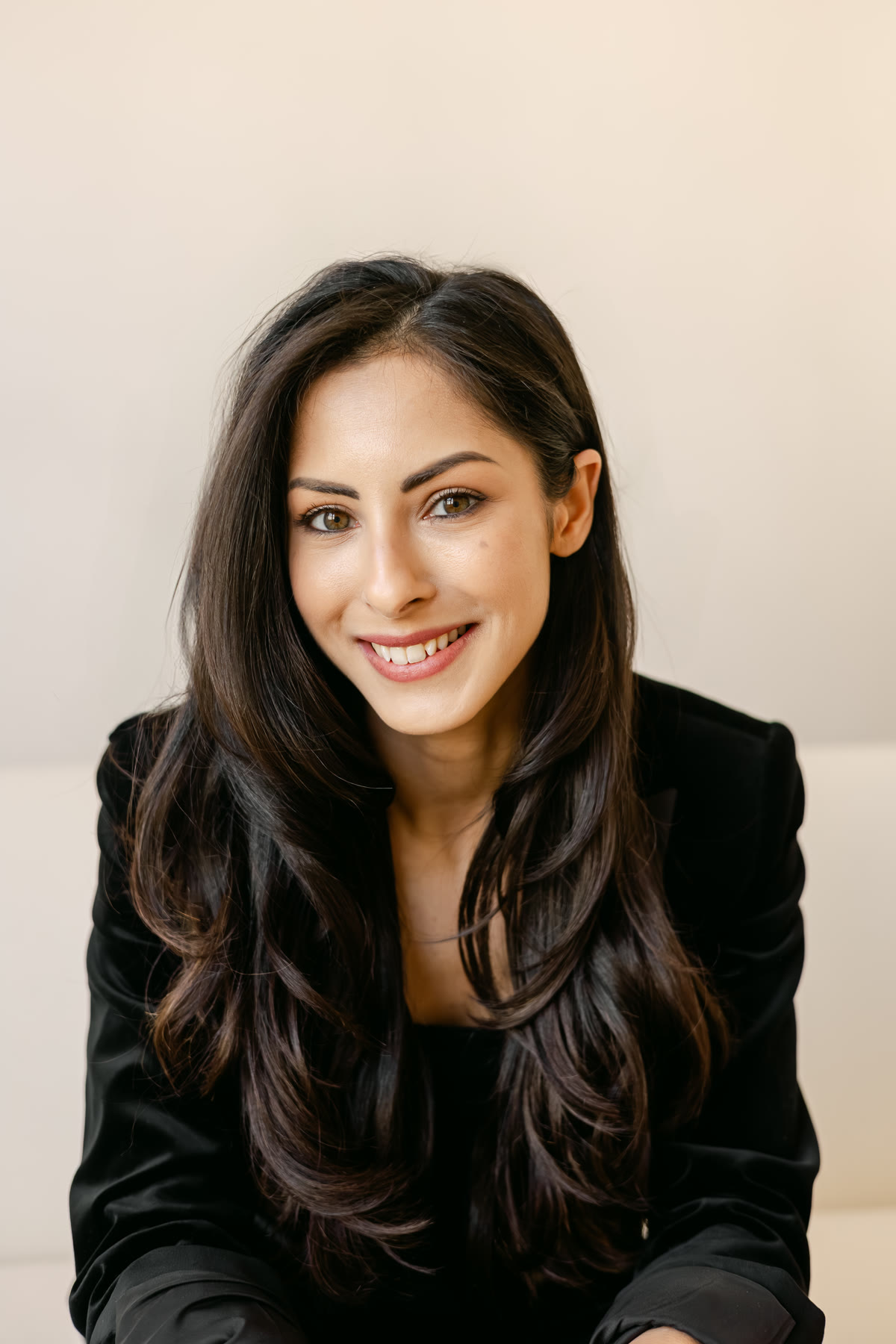
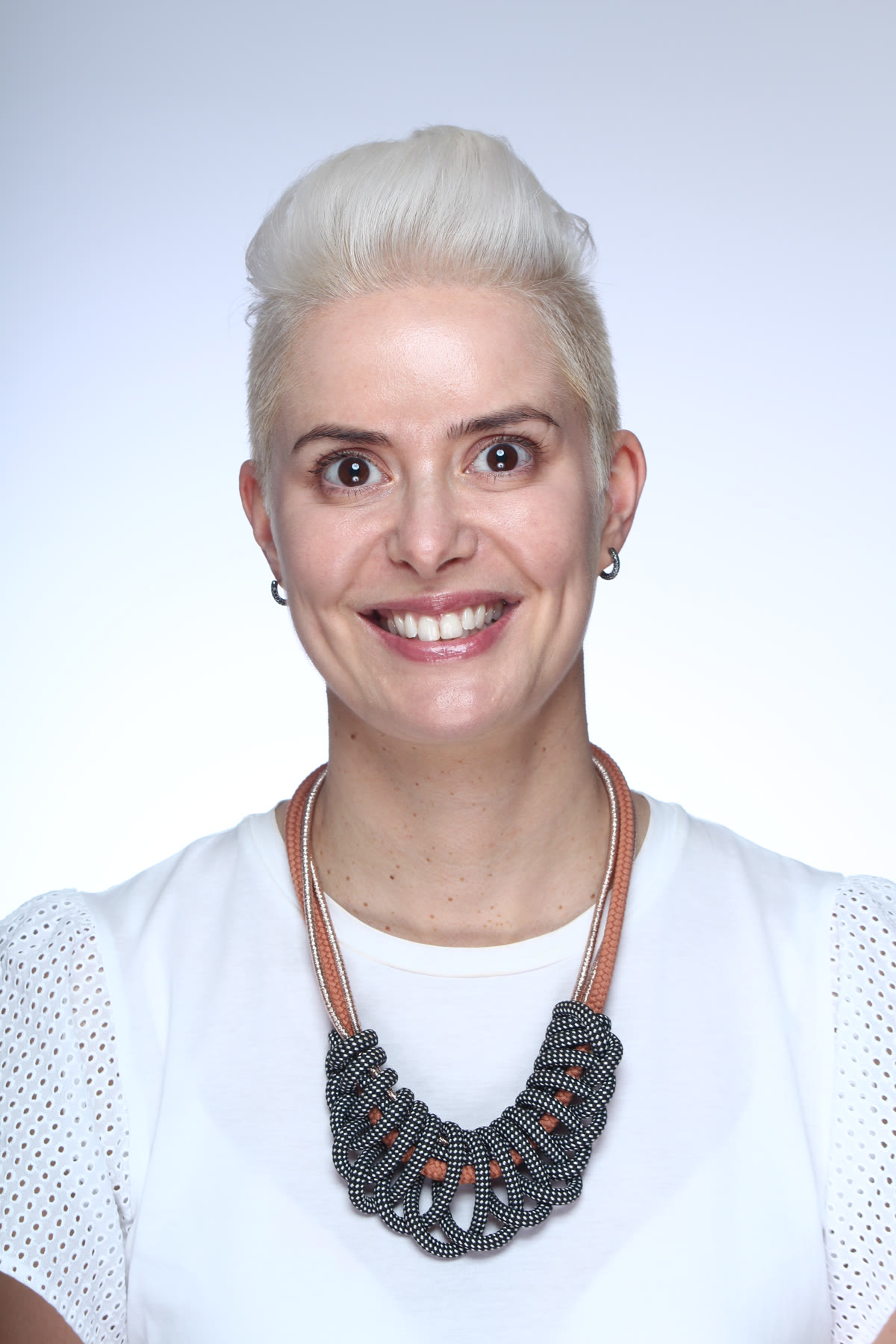
- Dr Raquel Amado, an aesthetic doctor and educator working in regenerative aesthetic medicine.
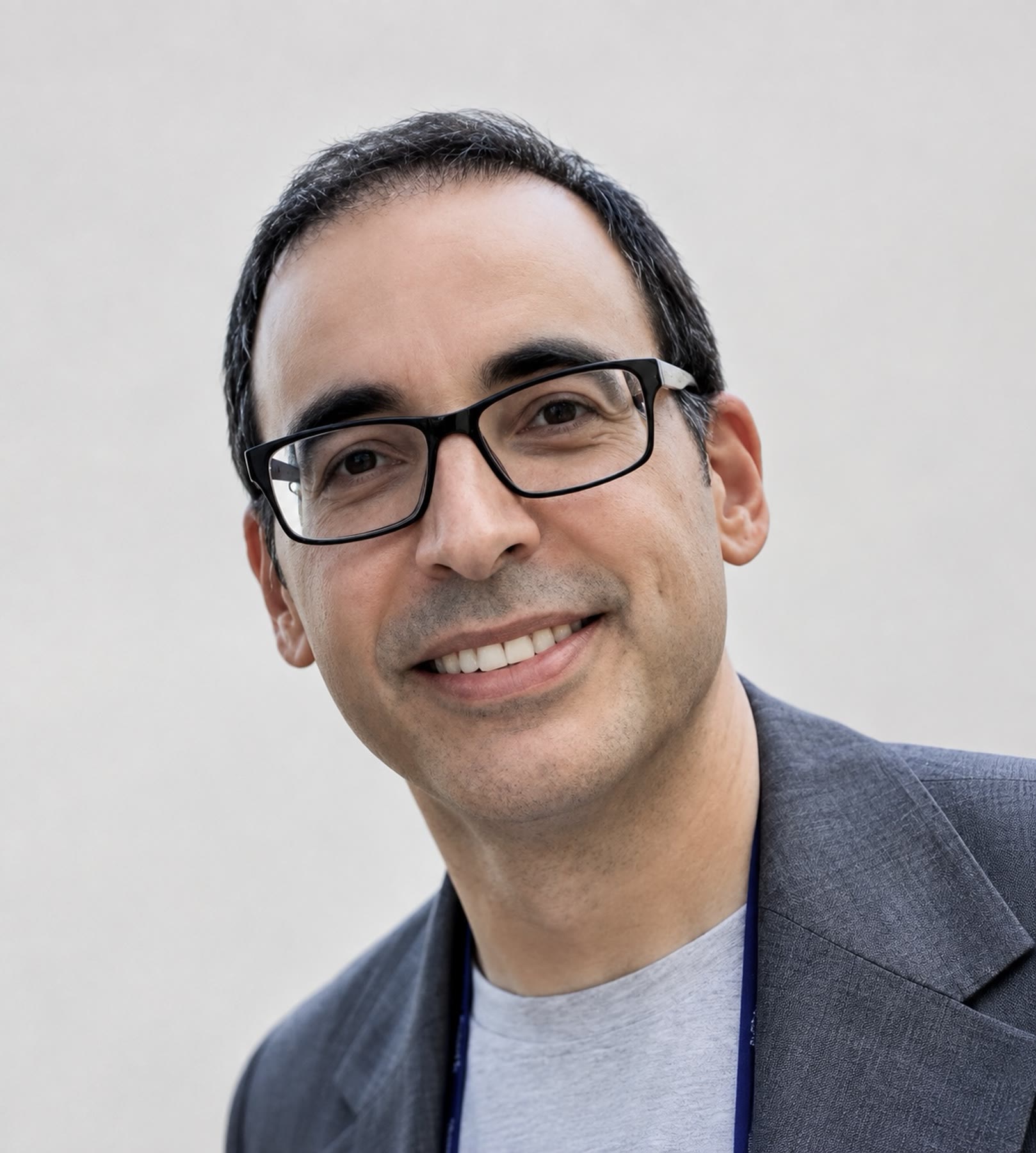
- Dr Steven Harris, an aesthetic doctor and researcher whose work focuses on filler behaviour, ultrasound-guided techniques and anatomical safety.
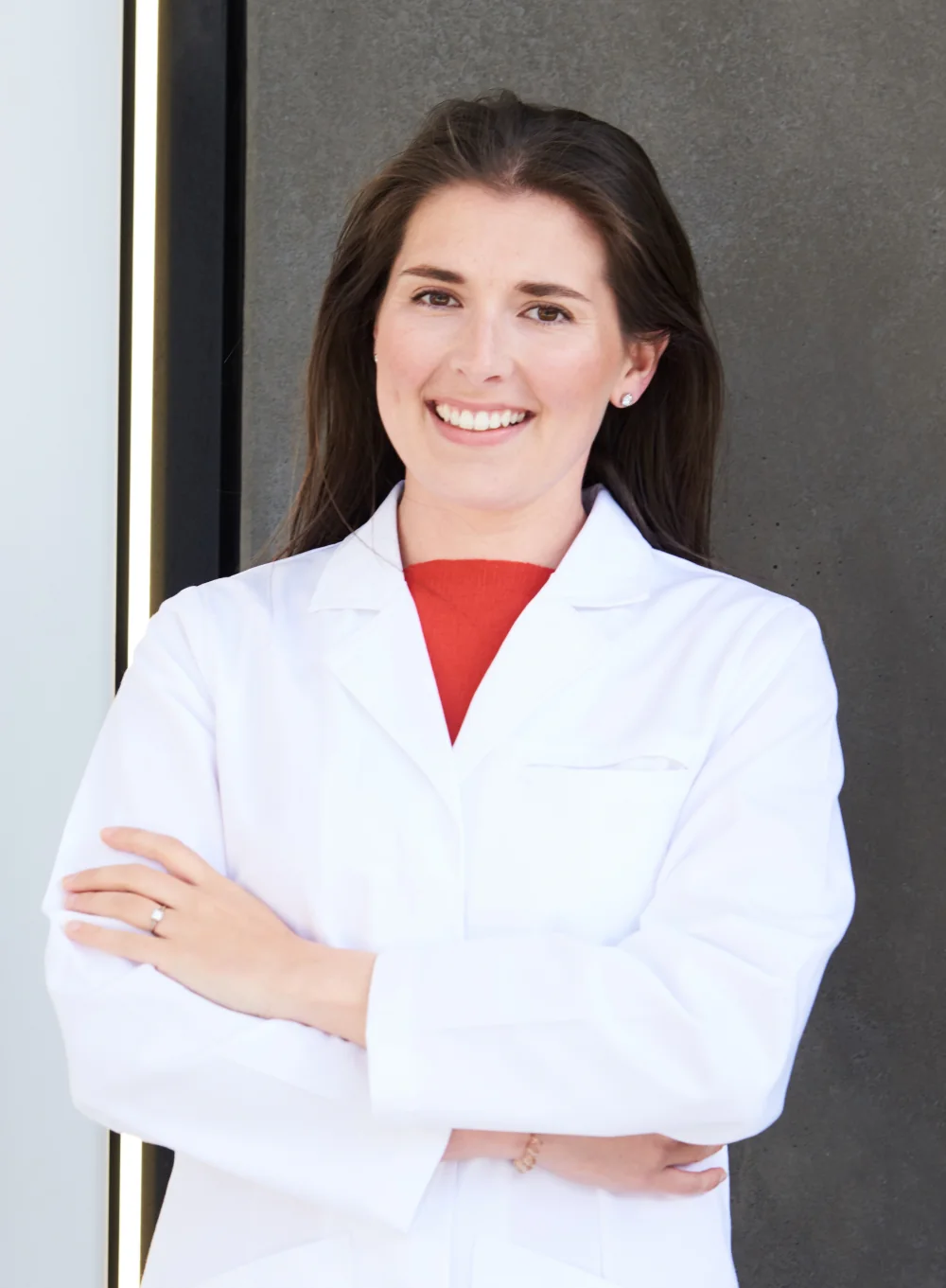
- Dr Nichola Conlon, a molecular biologist and founder of Nuchido Laboratories.
“Regenerative” now describes a fast-growing range of treatments, products and claims. The evidence behind them varies, from established clinical data to early research. With an aesthetic doctor working in regenerative medicine, a clinical researcher and a molecular biologist on the same stage, this debate looks at how practitioners can tell the difference, and how to talk to patients about it honestly.
What to listen for:
- What counts as evidence: laboratory findings, clinical trials, long-term follow-up and independent replication.
- How to read a study critically, including its size, design, follow-up and any conflicts of interest.
- How to describe likely results to patients without overpromising.
- Where regenerative treatments fit alongside established approaches.
How to get the most from the debates
- Before: note your current view on each question, and the reasons behind it.
- During: write down the strongest argument against your view, and any evidence a speaker cites that you want to read.
- Afterwards: turn your notes into a short reflective record for your continuing professional development (CPD): what you learned, why it matters for your patients, and what you’ll do differently.
The rest of the day
The debates sit within a full programme. It includes:
- an update on regulation and licensing from the Registrar of the Joint Council for Cosmetic Practitioners (JCCP);
- a panel on how GLP-1 weight loss is changing aesthetic practice;
- the multidisciplinary case panel The Case That Changed My Practice;
- live treatment sessions;
- a closing conversation with the faculty.
Join the debate on 21 November
Interface Expo 2026 takes place on Saturday 21 November 2026 at the Queen Elizabeth II Centre, Broad Sanctuary, Westminster, London SW1P 3EE. View the full programme and register