Success stories
Success story: Dr Davina Wilson
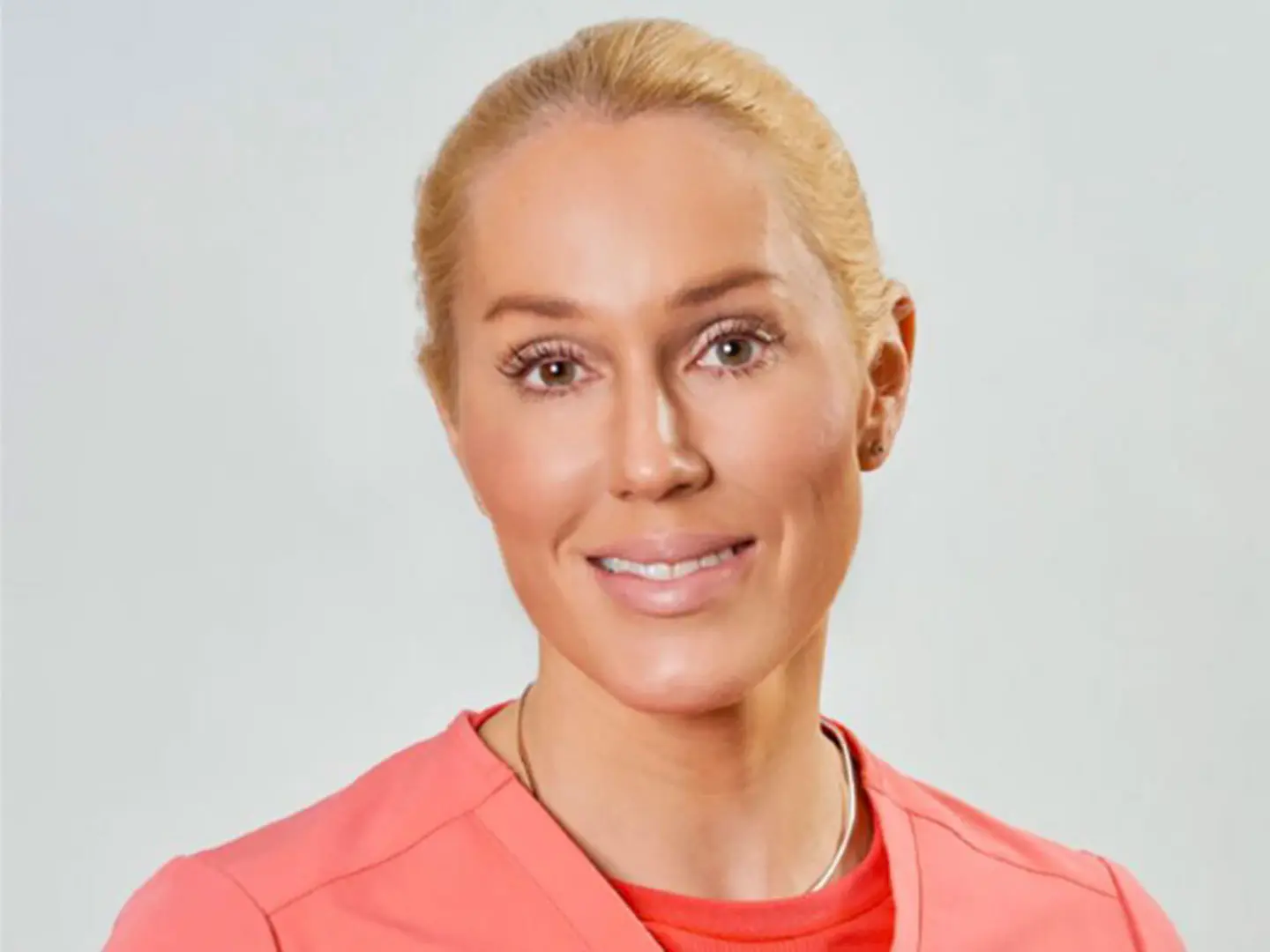
Dr Davina Wilson is a GP and cosmetic doctor, clinic owner and director of Look Lovely London, a busy skin treatment clinic in London, UK. She tells us her story.
Davina, can you tell us who you are?
I am the clinic owner and director of Look Lovely London, a busy clinic employing nine staff members offering an array of skin treatments. The clinic is based in the beautiful area of St John’s wood. I am also a practising GP working for different NHS practices.
I did two degrees, a politics degree and then went into medicine as I always had a love of skincare and understood challenging skin conditions suffering from acne and pigmentation myself. I have my diploma in dermatology and decided to set up Look Lovely London 12 years ago after gaining my GP registration. The business has grown from strength to strength and now has a patient base of around 3,500. I’m a member of Safe Face and fully registered with the GMC, which is essential for doctor regulation.
Going into medical aesthetics has given my working schedule some great variation, and I enjoy meeting patients from all walks of life. I found working for the NHS five days a week quite draining and challenging. When I finished my Foundation years in the hospital, I wanted to keep my options open and completed my beginners and advanced injecting courses on Harley Street. I initially thought that this would be a simple supplement to my income on the side of my main GP job; however, it soon became increasingly clear that it was a growing business, and I started to split my time between my GP role and a rapidly expanding company.
In addition, my mother always had fantastic skin over the years, but she wanted me to help improve it and offer anti-ageing treatments that could help combat ageing, so this was another push to go to aesthetics. I now love offering skin treatments, particularly for more mature skin, as well as offering treatments for acne, pigmentation, and dermatitis.
I continue working 4 to 5 days a month as a GP to ensure that my medical doctoring skills remain relevant and up-to-date, and I spend the rest of my time growing the business. I have recently bought the top floor of the clinic building to convert into a further three treatment rooms.
What were the two biggest challenges you had to overcome?
In a busy growing business, you always need good staff members to support you. A big challenge has been finding excellent doctors, nurses and dentists to join me on the journey and brilliant administrative staff to support the team and patients.
Luckily, over the last 5 or 6 years, I met a fantastic nurse working in general practice who was keen to join the team. She went through rigorous training with me and now takes on an active and full list within the clinic. I also met a brilliant dentist who I trained at Interface Aesthetics on the Advanced Toxin and Cannula Course, and he has recently joined us and has been a real hit with all the patients and a great new addition to the team.
I have another excellent GP who also does injectables at the clinic who was a friend, first knowing her for 12 years, and now a colleague. And finally, I have a lovely administrative team who were sourced on Indeed.com, that makes the clinic run smoothly.
There have also been staff that have been a challenge and have not fitted in with the clinic’s ethos and values, which has affected business over time. I have now set up a strict interviewing process to ensure that members of staff that do join me are not only brilliant with patients and safe but fully trained and have the experience to help me with the expanding company.
The second challenge is managing patients’ expectations of what can be achieved with injectables and skin treatments. Patient selection is crucial, and carrying out screening questionnaires to ensure that patients who have body dysmorphia or are embarking on treatments for the wrong reasons are gently selected out and not offered treatments.
The art of saying “No” to patients if treatments don’t feel right has taken quite a few years to master. It is important never to oversell or persuade patients to have treatments. Offering honest and transparent advice about what is achievable to paramount.
One thing you wished you knew when you first started?
The amount of hard work it takes into growing a profitable business! In a way, I fell into developing the business rather than setting up a clear business plan and structure about how I would grow over the years.
To grow a company, you must dedicate a large amount of time and vision into the business, which is essentially your baby. Writing a business plan is so important so you have a clear view of the path you will take. I feel a lot of doctors and nurses go into aesthetics to make a bit of money on the side; however, developing a functioning business takes weeks, months, and years of getting to grips with not only delivering a great service but also having an understanding of the finances and marketing behind it all.
I have overcome this challenge by taking on a business partner whom I’ve been able to soundboard ideas off and having fantastic staff members that have grown with me over the years and contributed to the developing business.

What do you like the most about working in Facial Aesthetics?
I love meeting new patients from different walks of life every day. They come through the door with a common desire to improve their skin and overall well-being. I enjoy offering a variety of treatments that can help these patients, and they walk out with a smile on their faces. Often, patients have been struggling with skin problems for many years.
Being able to offer clear and honest advice in a very understandable and approachable way and provide solutions gives me a lot of satisfaction.
What is your favourite treatment to provide?
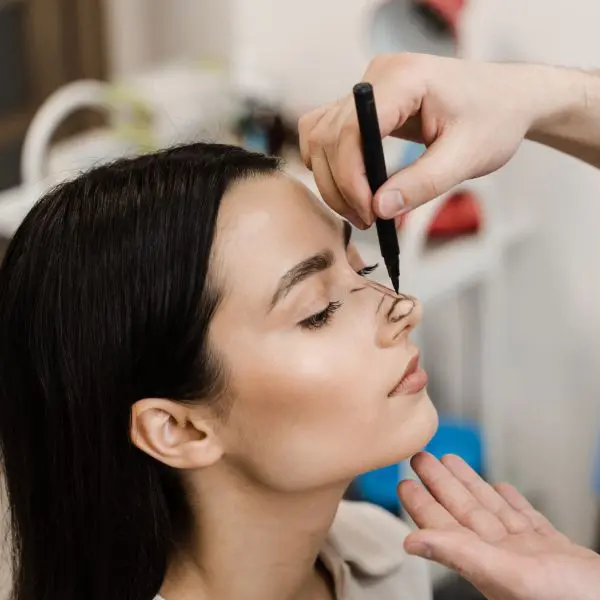
My favourite injectable procedure is nonsurgical rhinoplasty, as just administering a very small amount safely down the nasal bridge can be life-changing for patients. Only a tiny amount is needed and often under half a syringe (0.5 ML), and it can make all the difference to these patients, who are often quite young. The youngest rhinoplasty patient I have treated is 20, and the average age is around 25 or 26. I love counselling them on the treatment, ensuring they’re happy with going ahead with it and offering lovely results.
3 tips you’d give to a GP considering starting in Facial Aesthetics
-
Get started with injecting straight away after completing your courses if you feel confident. This ensures that you continue developing your skills and feel more competent in offering the treatments and learning from the outcomes.
-
Continue with your training and learning. It’s always important to take on new courses, read articles to develop your skills and knowledge further, and ensure that you offer the safest possible procedures to your patients.
-
Always stay in touch with colleagues you meet through your career in aesthetics. It will be these people that you can turn to for support and advice if you have any challenges, complications, or business questions. Starting up in aesthetics can be lonely at the beginning until your team grows.
I am a member of an invaluable support group on Facebook called Peak Performances that has helped guide me through the difficulties of owning a business. I suggest setting up a support WhatsApp group with the people you meet, especially on courses like Interface Aesthetics. It will be amazing how much you can all learn from each other and the value you can get from developing good friendships in the industry over the years- “Your net worth is your network.”