
News
The Definitive Guide to the Level 7 in Aesthetics: Future-Proofing Your Clinical Practice in the Regulated UK Market
The UK medical aesthetics sector is undergoing its most profound regulatory transformation in history. One-day courses are likely not to be accepted in the new regulations, as they might not offer the amount of skills and knowledge needed for a practitioner to safely deliver specific treatments. For medical, dental, and nursing professionals seeking to establish a safe, ethical, and commercially viable career in injectables, navigating this shifting landscape requires a definitive academic and clinical benchmark: the Level 7 in aesthetics.
As a postgraduate-level qualification equivalent to a Master’s degree (60 RQF credits), the Level 7 Diploma in Injectables has rapidly become the gold standard within the industry. Following the structural foundations laid out by the Health and Care Act 2022, the Department of Health and Social Care (DHSC) is implementing a comprehensive national licensing scheme across England. For discerning patients and professional insurers alike, holding a Level 7 qualification is no longer a luxury – it is the ultimate shorthand for a safe, competent, and evidence-based practitioner.
The UK Regulatory Landscape: Why the Level 7 is Becoming Mandatory
Historically, the UK aesthetics market was notoriously under-regulated, allowing individuals with minimal training to perform high-risk procedures. However, major public health incidents and shifting legislative parameters have forced a hard regulatory course correction.
The Health and Care Act 2022 and the 2026 Licensing Scheme
The legal foundation for the modern industry rests on the Health and Care Act 2022, which granted the Secretary of State for Health the power to introduce a licensing scheme for non-surgical cosmetic procedures in England. The DHSC published its comprehensive consultation response, establishing a definitive framework expected to transition into strict local authority enforcement. Under this framework, practising without a personal practitioner licence and licensed premises will become a criminal offence.
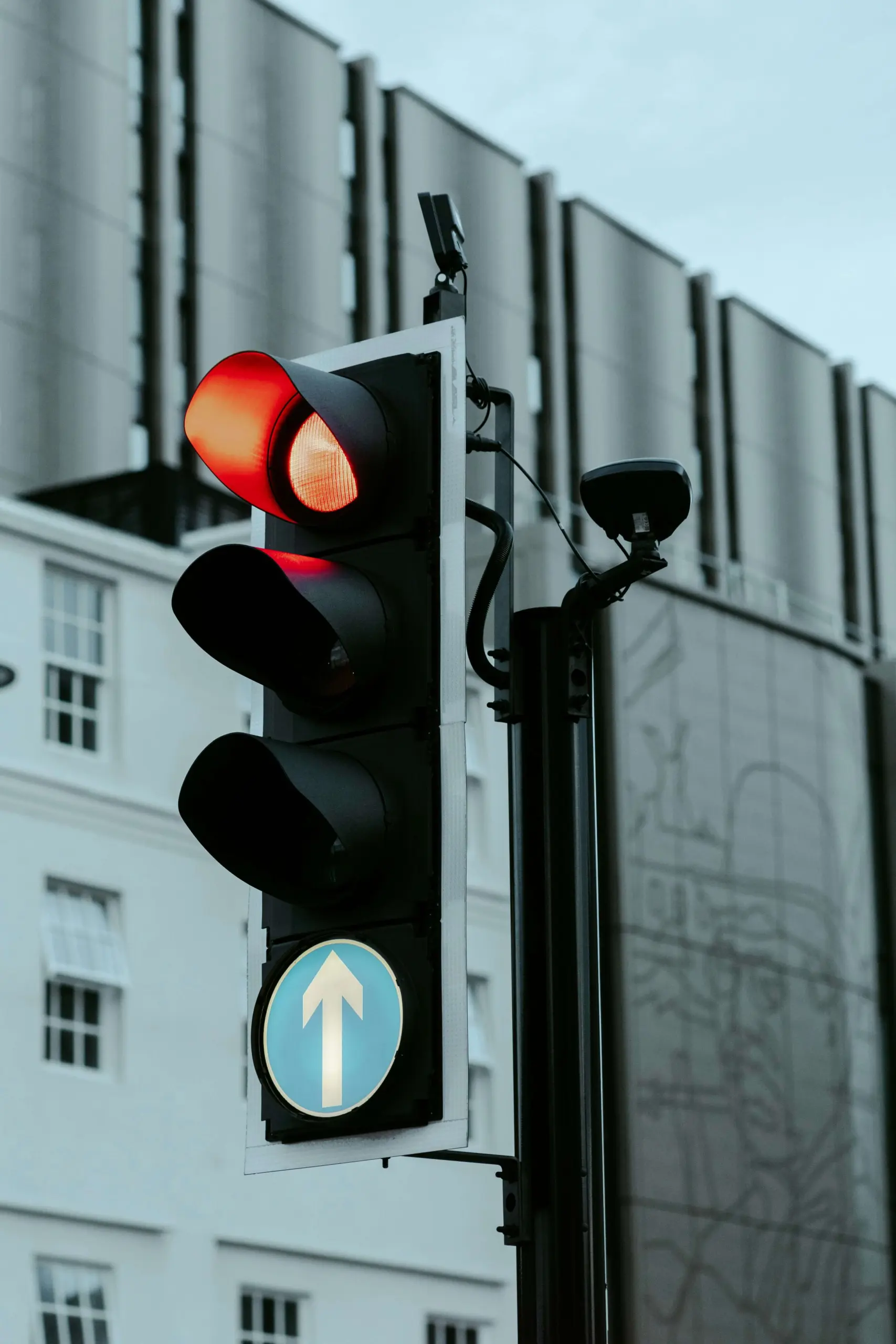
The Red, Amber, Green (RAG) Risk-Rating System
A traffic light system (red, amber and green) has been proposed for the incoming licensing framework. It would classify non-surgical cosmetic procedures using a strict, risk-based traffic light system as per below. As of today, this is still a proposal.
- Green (Low Risk): Minor superficial chemical peels and non-laser light therapies. These would require a basic local authority licence but would feature lighter-touch oversight.
- Amber (Medium Risk): This category would explicitly include botulinum toxin injections, facial dermal fillers, skin boosters, and platelet-rich plasma (PRP). Under the proposed regulations, these procedures demand rigorous, verified competency standards. For non-healthcare professionals, they would require named clinical oversight from a regulated medical professional. For healthcare practitioners, they would necessitate robust, formal proof of postgraduate capability.
- Red (High Risk): Deep chemical peels, thread lifts, hair restoration surgery, and intimate/body dermal fillers (such as gluteal augmentations). These would be strictly restricted to qualified healthcare professionals and would frequently fall under Care Quality Commission (CQC) regulation.
Driving Factors: Patient Safety and Statistics
The urgency behind these regulations is supported by alarming clinical data. In July 2025, 38 cases of botulism poisoning were recorded across England, heavily concentrated in the North East, directly linked to the administration of unlicensed, counterfeit botulinum toxin by uncertified practitioners. Furthermore, the industry recorded its first UK death, directly resulting from a non-surgical aesthetic treatment – a Brazilian Butt Lift (BBL) performed by an unqualified non-medic.
Organisations like the Joint Council for Cosmetic Practitioners (JCCP) and Save Face have consistently reported that over 80% of complications managed by clinical professionals stem from practitioners who attended unaccredited, short-form training courses. Consequently, both the JCCP and the standardising bodies in Scotland, Wales, and Northern Ireland are pointing to Ofqual-regulated Level 7 qualifications as the baseline requirement to future-proof an injectable practice.
What is a Level 7 Qualification in Aesthetics?
A Level 7 qualification represents the highest tier of academic and clinical training within the non-surgical aesthetic sector. Regulated by Ofqual and accredited by verified awarding organisations such as VTCT (ITEC), a true Level 7 Diploma mirrors the academic rigour of a Master’s degree.
Unlike some courses that focus exclusively on the mechanics of where to place a needle, the Level 7 framework addresses the comprehensive “why” behind clinical interventions. It is designed specifically for registered healthcare professionals – including doctors, dentists, nurses, and pharmacists – whose professional regulatory bodies (GMC, GDC, NMC, GPhC) deem cosmetic injectables to be within their scope of professional responsibility.
Core Curricular Pillars of a Level 7 Diploma in Aesthetics
A comprehensive Level 7 curriculum encompasses 60 credits of intensive study divided across critical domains:
- Advanced Facial Anatomy and Physiology: Moving beyond surface topography to require an exhaustive, 3D understanding of facial layers. Practitioners must master the relationships between the bony orbit, deep and superficial fat pads, facial musculature, and complex vascular networks.
- Pharmacology and Product Rheology: Understanding the molecular behaviour of different botulinum toxin strains and the cross-linking technology, G-prime, and cohesiveness of various hyaluronic acid (HA) dermal fillers.
- The Aesthetic Consultation and Ethics: Developing psychological assessment frameworks to identify Body Dysmorphic Disorder (BDD), executing structured informed consent, and understanding the legalities of medical advertising under the Committee of Advertising Practice (CAP) guidelines.
- Complications Management: Comprehensive protocols for identifying and treating adverse events, ranging from minor bruising to critical emergencies such as acute vascular occlusion, delayed-onset nodules, and anaphylaxis.
- Consultation, assessment and treatment plan: A collaborative, patient-led dialogue where practitioners are trained to focus on active listening and establishing realistic expectations. Analysing facial muscle movement and expression lines, evaluating structural changes across tissue layers and understanding facial structures for each patient. Once consultation and assessment are complete, practitioners learn how to design a safe, tailored roadmap for the patient.

The Architecture of a Level 7 Course: Theory, Portfolio, and Examination
Achieving a Level 7 Diploma in Injectables is a rigorous process that typically spans 12 to 36 months, blending deep theoretical study with extensive, supervised clinical practice. A standard, JCCP-approved Level 7 pathway is broken down into four distinct structural components:
I. Theoretical Framework & E-Learning
Learners must complete over 100 hours of academic study, engaging with multimedia lectures, high-definition treatment demonstrations, and evidence-based clinical literature. This theory is assessed via comprehensive short-answer questions (SAQs) and formal literature reviews focusing on patient safety, ethics, and product pharmacology.
II. The Clinical Mentorship Portfolio
True competency cannot be acquired from textbooks alone. The cornerstone of a regulated Level 7 qualification is the creation of a robust clinical portfolio under 1-to-1 or small-group expert clinical supervision. To satisfy Ofqual and JCCP validation requirements, trainees must log and execute a minimum number of observed and performed cases:
- 20 comprehensive cases of Botulinum Toxin treatments (spanning consultation, planning, marking, injection, and follow-up).
- 20 comprehensive cases of Dermal Filler treatments (covering distinct anatomical zones, utilising both needle and cannula modalities).
III. Rigorous Independent Assessment
Unlike unaccredited certificate courses where attendance guarantees graduation, a Level 7 qualification requires proof of clinical and academic mastery through external assessment:
- A 3-Hour Invigilated Written Examination: An externally set multiple-choice (MCQ) and short-answer exam covering all theoretical modules.
- An Objective Structured Clinical Examination (OSCE): A filmed, externally reviewed practical exam where the practitioner must consult, safely treat, and formulate a complication-management plan for a live patient.
IV. The Accelerated RPEL Route for Experienced Injectors
For established practitioners who have already been operating within the aesthetics industry but lack an Ofqual-regulated credential, a fast-track pathway exists known as Recognition of Prior Experiential Learning (RPEL).
The RPEL route allows experienced medical practitioners to convert their historic practical experience and existing case portfolios into a formal Level 7 Diploma.
Depending on the clinician’s years of active practice (typically split into 2+ years or 3+ years pathways) and their ability to provide verified evidence of prior cases (e.g. 30 toxin and 30 filler cases), the RPEL route can compress the timeline down to 3 to 12 months. This pathway requires the same rigorous written exams and OSCE assessments, ensuring that the final qualification holds identical weight and prestige.
The Clinical Imperative: Anatomy, Aesthetics, and Managing Complications
The ultimate objective of a Level 7 education is to elevate patient safety from a reactive measure to a foundational principle of practice.
Navigating the Vascular Danger Zones
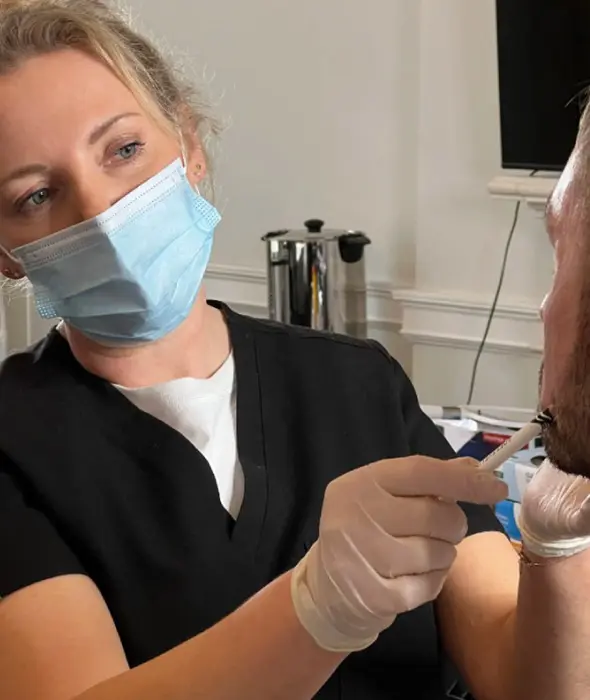
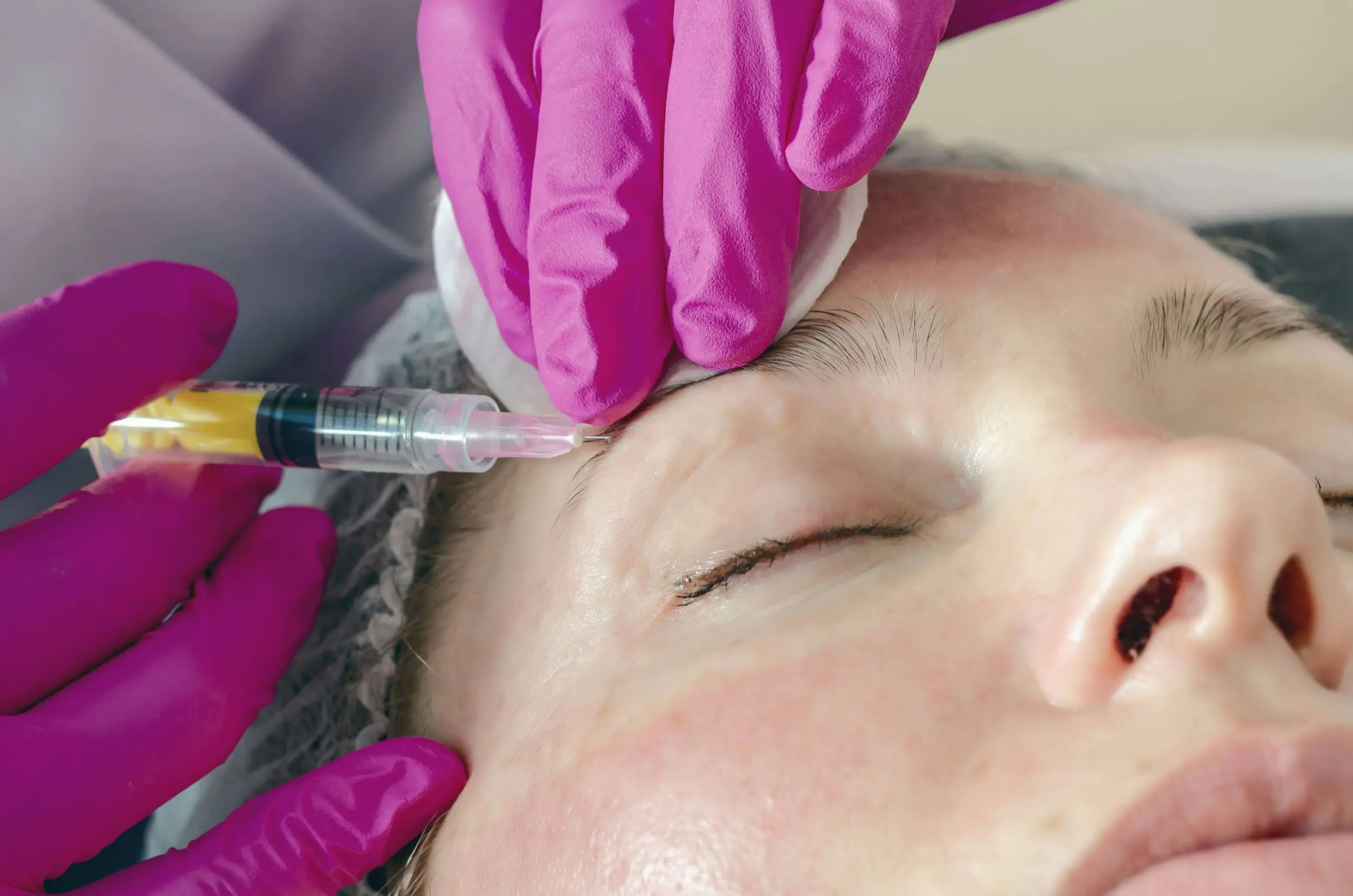
Every time a practitioner inserts a needle or cannula into facial tissue, it may come close to blood vessels. The needle or cannula may cross the facial artery, the angular artery or the supraorbital vessels. A deep understanding of these structures is vital; an accidental intravascular injection of dermal filler can cause immediate embolisation, leading to localised tissue necrosis or, in catastrophic cases, retrograde embolisation, causing permanent blindness.
Level 7 training instils an advanced understanding of these danger zones, teaching practitioners how to utilise depth, tactile feedback, aspiration techniques, and the intelligent selection of cannulas versus needles to mitigate risks.
Managing the Complex Patient
Aesthetic medicine is as much about psychological acuity as it is about technical skill. Level 7 practitioners are trained to conduct deep-dive consultations that screen out unsuitable candidates, identify unrealistic patient expectations, and maintain the ethical confidence to say “no” to a treatment when it is not in the patient’s best interest.
Furthermore, when physical complications do arise, a Level 7 graduate does not panic. They are fully trained in the immediate deployment of emergency protocols – including the precise reconstitution and emergency injection of Hyaluronidase to dissolve vascular occlusions, alongside the administration of high-dose steroids or antibiotics for delayed-onset inflammatory responses.


Commercial and Professional Advantages of a Level 7 Qualification
While the primary driver for achieving a Level 7 in aesthetics is regulatory compliance and patient safety, the professional and commercial dividends are substantial.
- Unrivalled Premium Insurance Eligibility: Medical malpractice insurance providers are tightening their underwriting criteria. Practitioners holding an Ofqual-regulated Level 7 Diploma may gain access to the lowest premium tiers and the highest coverage limits, as insurers recognise the drastically reduced risk profile associated with postgraduate-trained practitioners.
- Commanding Premium Pricing: Modern patients are highly educated. They actively seek out clinicians who display the highest credentials. Advertising your practice as a “Level 7 Postgraduate-Accredited Clinic” justifies a premium pricing structure, separating your business from low-cost, unaccredited competitors.
- Clinical Longevity and Resilience: As the DHSC local authority licensing mandates take full effect across England, clinics operating without verified, high-level qualifications will face forced closure and criminal prosecution. Investing in a Level 7 qualification secures your business against future legislative interventions.
Why Interface Aesthetics is the Premier Choice for Your Level 7 Journey
Choosing where to undertake your postgraduate aesthetic education is the single most critical decision of your career. Interface Aesthetics stands uniquely positioned as the UK’s leading, multi-award-winning training academy, specifically designed to deliver a superior Level 7 experience for healthcare professionals.
Voted Best Independent Training Provider, the Interface Aesthetics Level 7 program offers unmatched clinical advantages:
Surgeon-Led, Elite Faculty
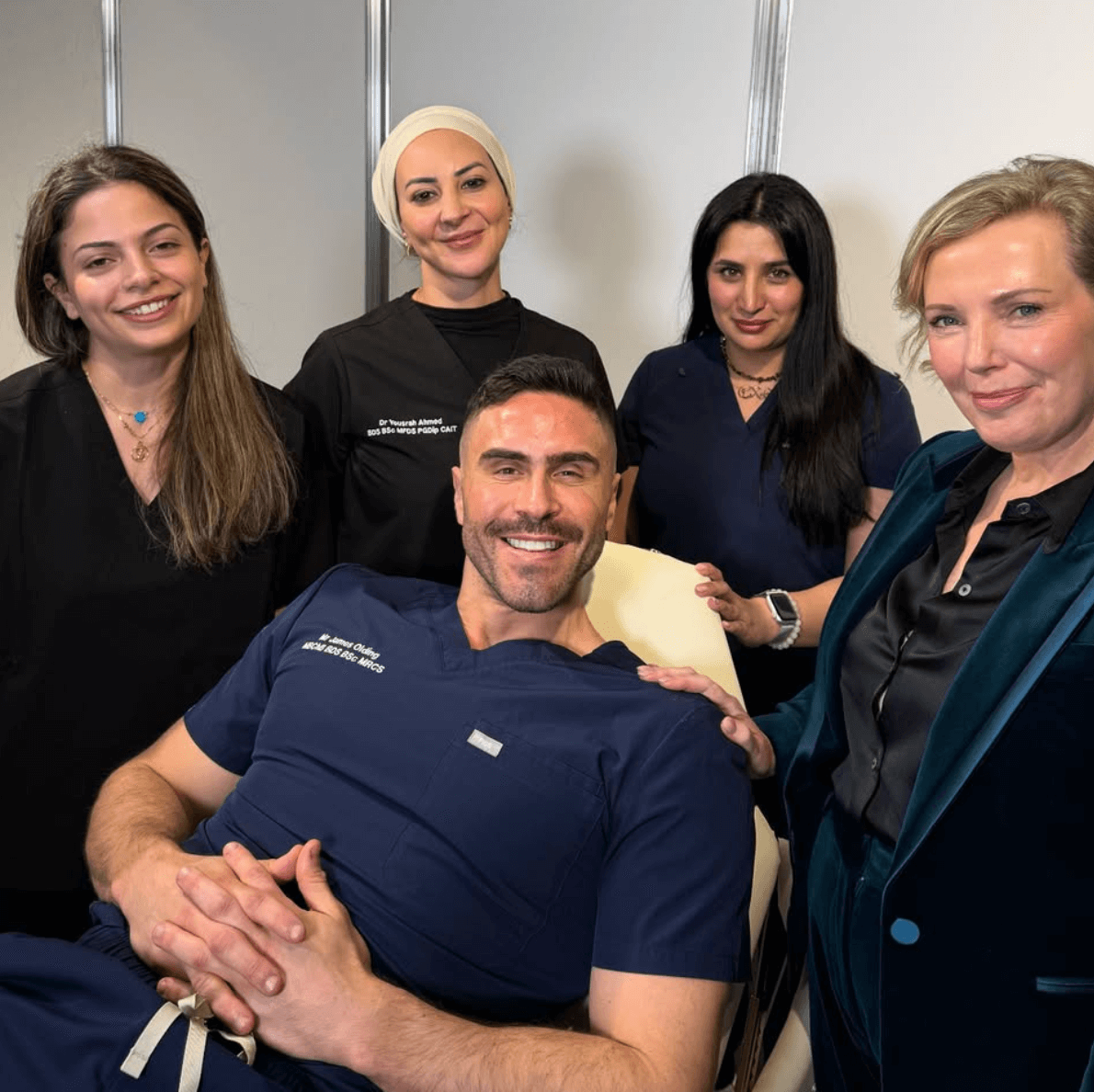
The entire curriculum at Interface Aesthetics is designed and delivered by an elite faculty of highly accomplished surgeons, doctors, dentists, and nurses, including renowned industry leaders such as Dr Davina Wilson, Dr Raquel Amado, and Dr James Olding. Training under active surgical educators ensures that your learning is rooted in meticulous, landmark-based anatomical precision.
JCCP-Approved and Ofqual-Regulated Gold Standard
The Interface Aesthetics Level 7 Diploma in Injectables is fully approved by the Joint Council for Cosmetic Practitioners (JCCP) and accredited by VTCT. This dual-layer validation ensures your qualification will seamlessly clear every hurdle presented by the incoming UK licensing requirements.
True 1-to-1 Clinical Mentorship with Live Models
While many providers crowd multiple delegates around a single patient, Interface Aesthetics prioritises an immersive, hands-on experience. Trainees receive extensive face-to-face practical mentorship days, injecting live model patients provided entirely by the academy. This ensures you complete your 40-case portfolio under direct, unhurried, expert 1-to-1 guidance, building genuine clinical confidence.
The Advanced and Leadership Mentorship Program
Interface Aesthetics does not just train practitioners; we cultivate industry leaders. Exceptional alumni who showcase outstanding clinical skills during their Level 7 course are invited to apply for our exclusive Advanced and Leadership Mentorship programme, opening pathways to join our elite faculty or establish premier clinical partnerships.
Comprehensive E-Interface Learning Platform
Gain lifetime access to the cutting-edge E-Interface platform, featuring over 100 hours of ultra-high definition 4K video tutorials, live treatment demonstrations, and dynamic complications masterclasses. This allows you to complete your theoretical studies and assignments entirely at your own pace, seamlessly balancing your education alongside full-time NHS or private clinical commitments.
Complication Management Discussions
Evidence-based discussions led by Interface Aesthetics cover deep facial anatomy, vascular occlusion protocols, and emergency management. Clinicians gain practical, step-by-step crisis de-escalation strategies for high-stress scenarios and ongoing post-training support ensures practitioners never have to navigate complex complications in isolation. The comprehensive training provided by an experienced faculty of trainers builds total clinical confidence, safeguarding both patient health and practice reputation.
Networking Opportunities
Delegates gain direct access to a global network of world-leading aesthetic practitioners and key opinion leaders through the Interface Expo event, created by James Olding himself. The aesthetic event unites emerging talent with established clinical pioneers to foster meaningful, long-term industry relationships. By joining Interface Aesthetics, delegates can showcase research posters, opening doors to collaborative projects, publication support, and career advancement.
Secure Your Clinical Future Today
The aesthetics industry has reached an unmistakable turning point. The transition from voluntary self-regulation to mandatory local authority licensing means that your qualifications will dictate your right to practise.
Protect your patients, elevate your clinical skills, and future-proof your career by aligning with the gold standard of postgraduate education.
Explore the Interface Aesthetics Level 7 Diploma in Injectables today and take the definitive step toward becoming an industry leader in aesthetic medicine.
Sources:
UK Aesthetics Regulations 2026: What Every Practitioner Needs to Know Before Buying Injectables
https://aestheticscompliance.co.uk/pages/compliance-questions
https://www.cosmetic.college/blog/aesthetics-licensing-uk-2026-what-qualifications-you-need/
https://www.aestheticsconference.com/products/level-7-diploma-pgdip-qualification-280418/
https://www.jccp.org.uk/EducationAndTrainingProvider/approved-providers