News
Harley Street: The Ultimate Destination for Aesthetics Training
For healthcare professionals stepping into medical aesthetics, choosing the right training location and qualification is critical. Centred in London’s historic medical district, Harley Street offers strong prestige and clinical settings. It also offers the OFQUAL-regulated Level 7 Diploma in Injectables. This diploma sets a gold standard for your future career.
The History of Harley Street
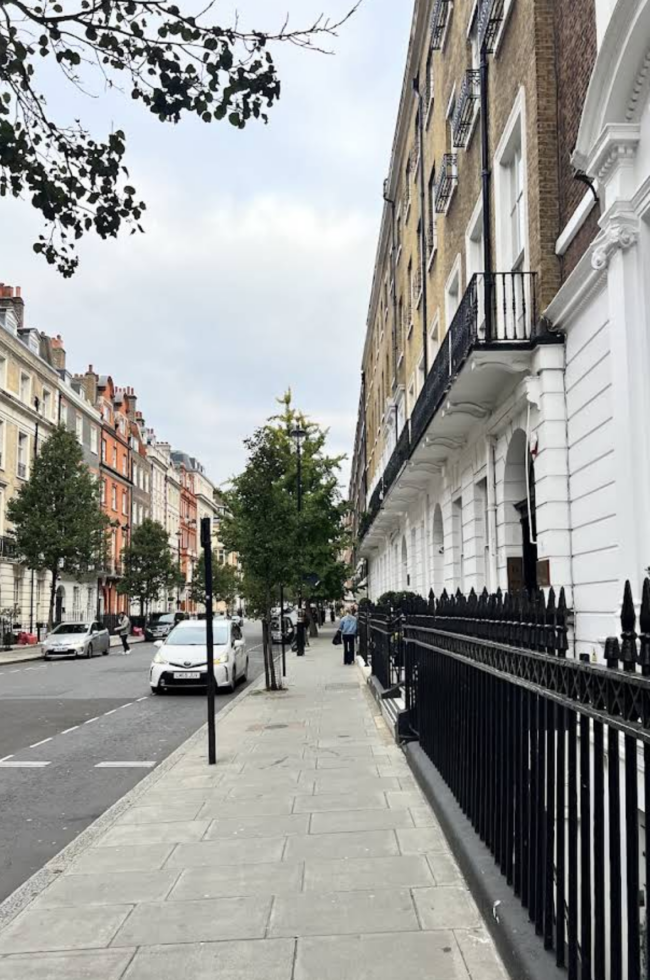
To understand why Harley Street is synonymous with medical excellence, one must step back in time. Situated in the sophisticated Marylebone district of Central London, the street traces its origins to the early 18th century. Named after Edward Harley, the 2nd Earl of Oxford and Earl Mortimer, it began as a modest residential area. They built it for the middle and upper classes.
However, its destiny shifted dramatically in the mid-19th century. Lured by the area’s magnificent Georgian architecture, its central proximity to London’s burgeoning teaching hospitals, and its easily accessible rail links, physicians and medical specialists began to establish consulting rooms there.
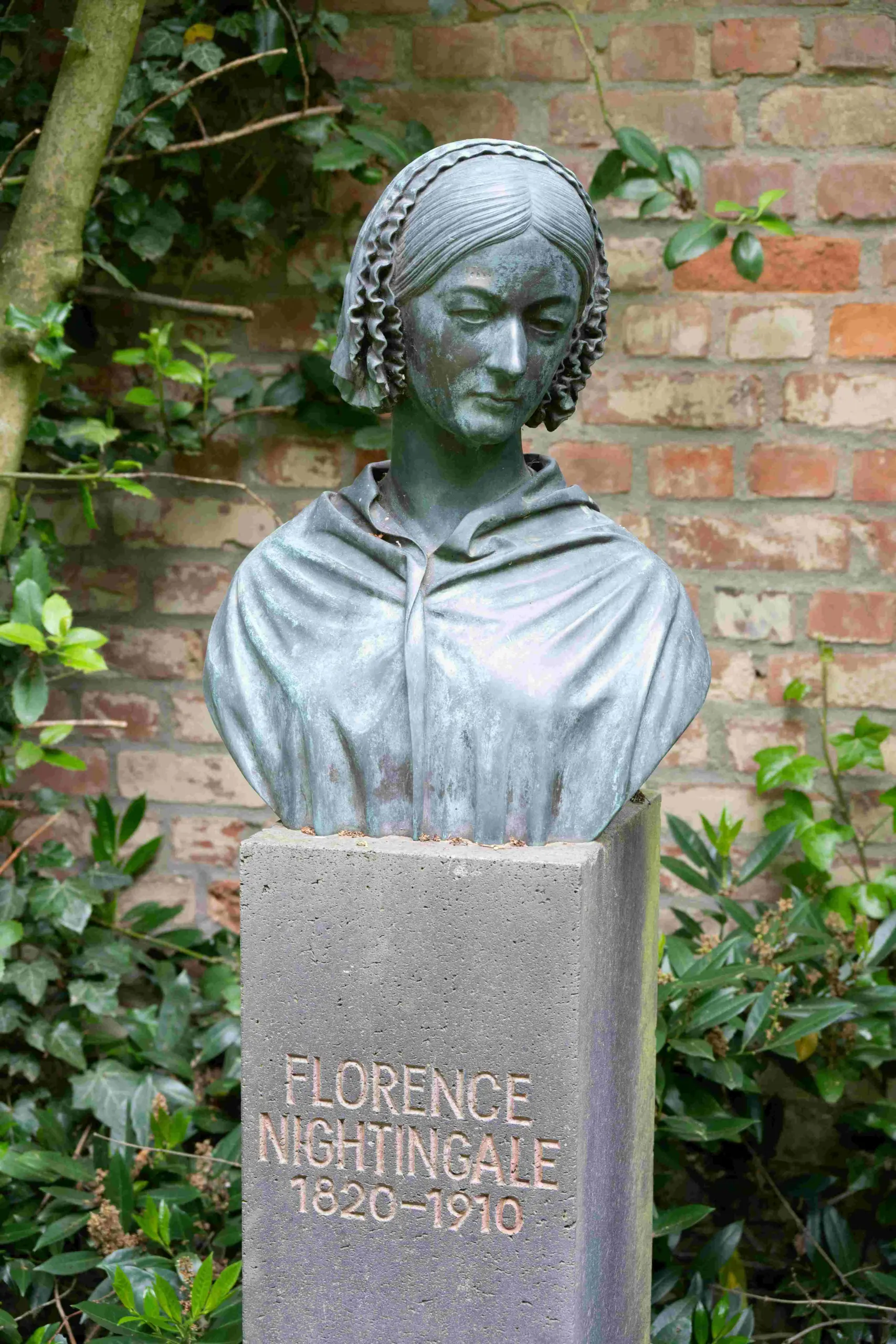
The district quickly transformed into a magnet for pioneering medical minds. Esteemed figures like Florence Nightingale lived at Number One and ran a home for gentlewomen there. Sir Frederick Treves, the surgeon who saved King Edward VII’s life, also helped shape the street’s early reputation. By the turn of the 20th century, officials recognised Harley Street as the beating heart of British medical expertise.
Over the decades, as medicine evolved, so did the specialisation of the practitioners working behind the iconic black doors. When aesthetic medicine began to boom in the latter part of the 20th century, it was only natural that the most elite, medically led practitioners gravitated toward Harley Street. They brought the same uncompromising standards of patient care, safety, and clinical ethics that had defined the area for over a century.
The Evolution of Aesthetic Medicine Training
Today, medical aesthetics is a highly sought-after, complex speciality requiring profound anatomical knowledge, pharmacology expertise, and mastery of delicate procedures. Yet, the rapid expansion of the industry has led to concerns regarding regulation and training standards across the UK.
In response, the medical aesthetics sector has shifted dramatically toward heavily regulated, Masters-level academic qualifications. The benchmark for this is the Level 7 Postgraduate Diploma in Aesthetic Medicine. For healthcare professionals – including doctors, dentists, surgeons, and paramedics – securing this qualification is no longer just a career booster; it is a vital safeguard for the future.
As standards rise, the location where you complete your practical training has become equally paramount. While many fly-by-night courses exist, true medical education relies on immersion in a genuine clinical setting. This brings us back to Harley Street. As the historic epicentre of private medical practice, it remains the natural home for world-class clinical training.
Why Harley Street is the Prime Location for Level 7 Training
For healthcare professionals looking to undertake their Level 7 Diploma, Harley Street is undeniably the premier destination in London. The prestige associated with the postcode is matched only by the unparalleled quality of the environment. Here is why studying in this legendary medical enclave will elevate your aesthetic career:
1. Immersive Clinical Environments
To truly master cosmetic injectables – including botulinum toxin and dermal fillers – you cannot rely solely on textbooks or large, crowded seminars. The Level 7 Diploma requires hands-on experience, direct observation, and a rigorously supervised patient portfolio. Training on Harley Street means operating within premium clinical environments designed for top-tier medical care. This allows you to experience exactly how a high-end, successful aesthetic clinic is run on a daily basis.
2. Association with Excellence
Harley Street acts as a global “badge of honour” in medicine. Patients inherently trust practitioners who have trained and operated in this district because of its longstanding legacy of clinical safety and professionalism. By aligning your aesthetic training with a Harley Street provider, such as Interface Aesthetics, you signal to patients, employers, and insurance bodies that you are committed to the absolute highest standards of medical practice.
3. Mentorship from Elite Practitioners
The best aesthetic courses do not just teach you where to inject; they teach you how to manage complex facial anatomies, handle rare vascular complications, and master advanced clinical decision-making. Because Harley Street is the hub for leading medical experts, the trainers who operate there are typically at the very forefront of the industry. Learning from professionals who actively practise at the cutting edge ensures that your education is evidence-based, clinically sound, and entirely up-to-date.
4. The Future of Industry Regulation
The aesthetics sector is undergoing significant regulatory changes, with governing bodies pushing for standardised qualifications. Practitioners increasingly view the OFQUAL-regulated Level 7 Diploma as the baseline requirement. Undertaking this stringent qualification at a recognised Harley Street training centre ensures you are future-proofing your career. You will be fully prepared to meet any upcoming legislative or regulatory requirements in the UK aesthetics market.
Unlocking the Gold Standard with Interface Aesthetics
For healthcare professionals ready to embark on their Level 7 journey, finding the right training provider is the next crucial step. In an industry often diluted by unregulated short courses, one organisation stands out for its commitment to clinical excellence and rigorous education: Interface Aesthetics.
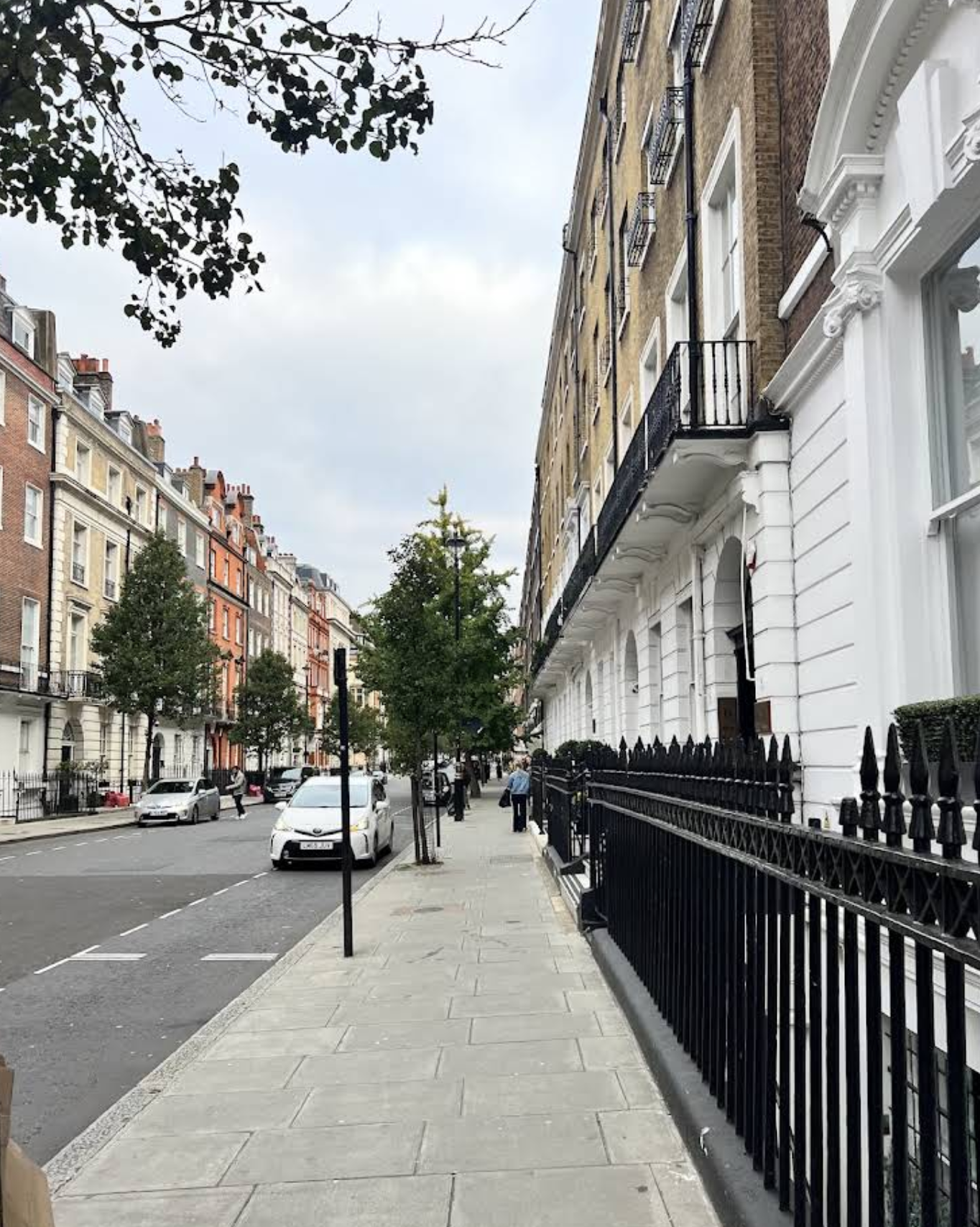
Situated at the prestigious 10 Harley Street, Interface Aesthetics delivers a highly regarded, OFQUAL-regulated Level 7 Diploma in Injectables. As a JCCP-approved and VTCT-accredited qualification, this diploma specifically serves registered healthcare professionals such as surgeons, doctors, dentists, nurses, and clinical pharmacists.
Here is what sets the Interface Aesthetics Level 7 pathway apart:
- Surgically Inspired, Evidence-Based Training: Interface Aesthetics believes that safe aesthetic practice must be rooted in an exhaustive understanding of facial anatomy and clinical physiology. Their surgically inspired training ensures that practitioners understand the precise layers of the face, tissue behaviour, and how to safely navigate them.
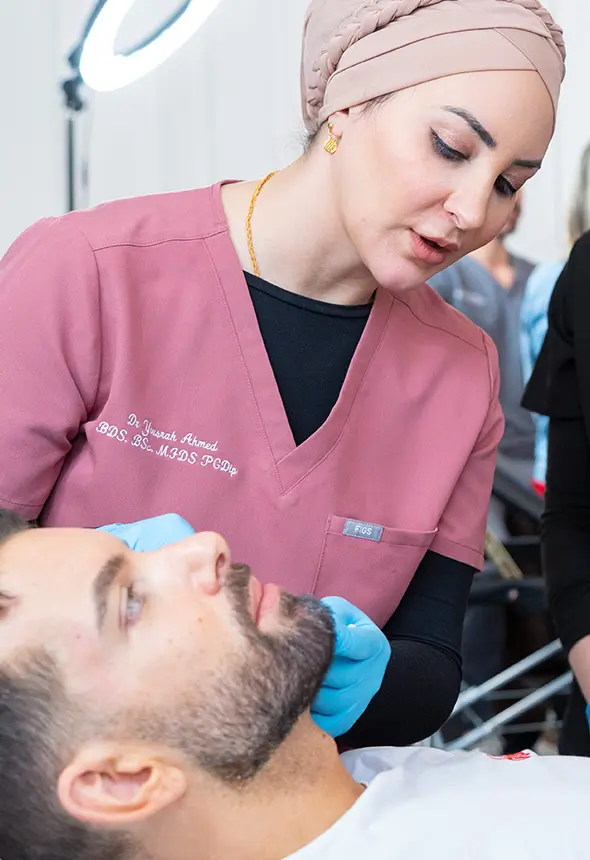
- Hands-On Experience with Live Models: Theory is only the foundation; mastery comes from practice. The Interface Aesthetics Level 7 programme places a heavy emphasis on hands-on learning. Trainees receive guided mentorship and work directly with live patient models, allowing you to build your required portfolio under the watchful eye of industry-leading practitioners.
- Comprehensive Mentorship: The Level 7 diploma at Interface Aesthetics involves the creation of a 40-patient portfolio. This is an incredibly robust assessment of your practical competence. Having the backing and support of an expert faculty while compiling this portfolio ensures you graduate with the confidence to handle anything that arises in your clinic.
- Complications Management: One of the most critical aspects of medical aesthetics is the ability to recognise and manage vascular occlusions and other complications. The Interface curriculum provides dedicated, thorough training in complication management, ensuring patient safety remains the highest priority.
- Robust E-Interface Learning: To complement the hands-on clinical days at Harley Street, Interface Aesthetics utilises the E-Interface digital platform. This gives trainees access to over 100 hours of e-learning material, comprehensive video libraries, and case demonstrations, ensuring you can study flexibly around your current NHS or private healthcare commitments.
- Industry Recognition: Interface Aesthetics has built strong training agreements with leading manufacturers and insurers. This helps you get insurance easily. It also helps you access top products once you qualify.
Taking the Next Step in Your Medical Career
Transitioning into aesthetic medicine can give healthcare professionals a new way to use their clinical skills. Expanding your role in aesthetic medicine can also be exciting. It also offers a private and rewarding setting. However, the transition to aesthetics requires shifting from general medicine to highly specialised, elective cosmetic procedures.
By choosing to train on Harley Street, you are making a deliberate decision to immerse yourself in an environment that has represented the pinnacle of British medical expertise for generations. You are surrounding yourself with excellence, historical prestige, and the highest possible standards of clinical practice.
Furthermore, by selecting the Level 7 Diploma in Injectables with Interface Aesthetics, you are future-proofing your practice. An expert medical faculty will guide you and champion rigorous industry regulation, comprehensive anatomy education, and hands-on, live-model mentorship.
The field of aesthetic medicine is dynamic, lucrative, and deeply fulfilling for those who approach it with the right medical rigour. To become a trusted, sought-after aesthetic practitioner, you must build your education on a foundation of safety, ethical practice, and clinical mastery. There is no better place in London to build that foundation than at the heart of the medical district on Harley Street.
For more details on your Level 7 training pathway, or to review the syllabus, browse Interface Aesthetics’ courses. Invest in your future, elevate your clinical skills, and join the elite standard of medical aesthetics in London.