
Success stories
Success story: Dr Jordan Faulkner
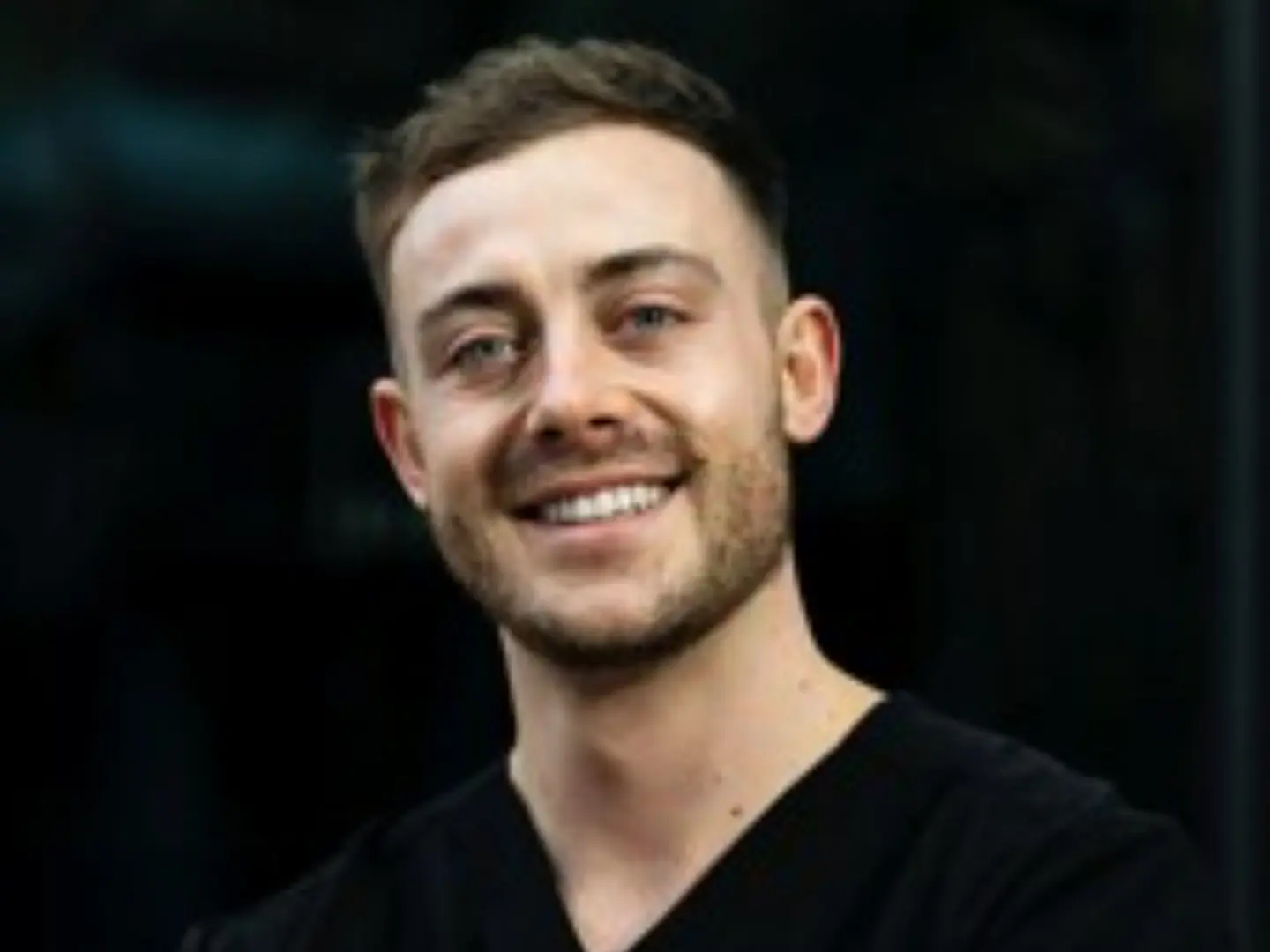
Dr Jordan Faulkner is an NHS doctor who started a new career in aesthetics with the help of Interface Aesthetics. Here is his story.
Jordan, how did you get started in facial aesthetics?
The decision to embark on a career in facial aesthetics was something that I long considered. Whilst I recognised that the field provided an opportunity to have more autonomy and express my individuality, compared with my day-to-day NHS work as a junior doctor, I was always hesitant due to some of the more extreme cases that are seen in the media.
These cases of irresponsibly placed filler, leading to an unnatural look or even “alienisation” of facial features were something I certainly wanted no association with. After some research and discussion with other doctors practising in facial aesthetics, it became clear to me that when administered by responsible, trained individuals, the use of dermal fillers and anti-wrinkle injections can be life-changing for patients, improving their perception of one’s self, their confidence and even their mental health. With this in mind, I believed that I could have a positive impact in the field, and so I began looking for facial aesthetics courses with a clear priority for patient safety.
I completed the foundation and advanced courses in anti-wrinkle injections and dermal filler back-to-back, on consecutive days, and commenced business soon after. I was keen to set up my facial aesthetics business, including registering the business, setting up a business banking account, and launching social media sites prior to completing the course. This allowed me to start practice as soon as possible, which I believe is a top tip for new delegates to keep the training fresh in your mind and hit the ground running.
How do you balance your current career and your new career in facial aesthetics?
For me, my surgical career is always my priority, and life is very busy as a result. The benefit of running my own aesthetics business is that I can increase or decrease my activity on social media, etc., which directly affects my client stream. It is a luxury to be able to focus on my surgical career around exam time, etc., and pick up more aesthetics work when I have more free time. It works perfectly!
What were the two biggest challenges and how did you overcome them?
The non-medical parts of facial aesthetics are the biggest challenge for me. Setting up a business is a multi-faceted task. I began with social media sites, as they are free and easy to use. Then, once I had generated enough revenue to warrant it, I hired a website developer who helped me massively.
What did you like the most about training with Interface Aesthetics?
The most important thing for me when browsing aesthetics training providers was their focus on safety. There is not enough regulation in the field, and that is clear. Therefore I sought a provider that is taught by a maxillofacial surgeon (Dr James Olding), who only provides teaching to medically trained personnel.
I spoke with Dr Olding himself and he confirmed that training would include management of complications, including dissolving of filler in the case of vascular occlusion. This was of the utmost importance to me, as I knew that unless I knew I was equipped to deal with any possible emergency appropriately, it would be irresponsible to treat a patient with dermal filler or anti-wrinkle injections.
How important was training with Interface Aesthetics to your success?
I cannot overstate that Interface Aesthetics were vital to me becoming the facial aesthetics practitioner I am today. I have recommended their courses to multiple colleagues who have gone on to practice, and I was thrilled when, in 2021, Dr Olding set up the Interface non-surgical rhinoplasty (NSR) course, because I didn’t want to be trained by anyone else. I was one of the first delegates on this NSR course which has enabled me to further grow my profile and practice.
What is your favourite treatment to provide?
The most satisfying for me is cheek filler. It is a treatment that clients don’t always directly ask for initially but following consultation, they are keen for a treatment that turns back time on age-related volume loss, as opposed to changing the structure of their face. Clients tell me they feel fresher in the morning, have reduced eye bags, and feel like they are “glowing”.

3 tips you’d give to a doctor considering starting in Facial Aesthetics
-
Choose a course that will equip you to deal with complications.
-
Choose a course that is ethical in its approach.
-
Set up the business side of things first and start as soon as you can after you pass.